Key Takeaways
- Tinnitus is the perception of ringing, buzzing, or humming sounds in the ear without an external source, and Ayurveda views it primarily as a Vata dosha imbalance affecting the auditory channels (sabdavaha srotas).
- The treatment of tinnitus in Ayurveda combines internal herbal formulations, Panchakarma therapies, and lifestyle modifications to address the root cause rather than just masking symptoms.
- Panchakarma therapies such as Nasya, Shirodhara, and Karna Poornam play a central role in calming the nervous system and managing tinnitus.
- Results for tinnitus management vary with age, chronicity, and underlying cause, but many patients notice a reduction in intensity with consistent Ayurvedic care.
Constant ringing, buzzing, or humming in the ears can be deeply distressing, interfering with sleep, focus, and quality of life. This condition known as tinnitus, is increasingly common due to stress, noise exposure, and modern lifestyle habits. While conventional medicine largely focuses on symptom management, Ayurveda takes a more holistic route to the treatment for tinnitus in Ayurveda, aiming to correct the underlying imbalance rather than simply muting the noise.
At Dr. Shyam’s Ayurveda in Dubai, tinnitus is managed through personalized therapies, herbal formulations, and Panchakarma treatments under expert supervision. This guide walks you through everything you need to know about the cure for tinnitus in Ayurveda.
What Is Tinnitus?
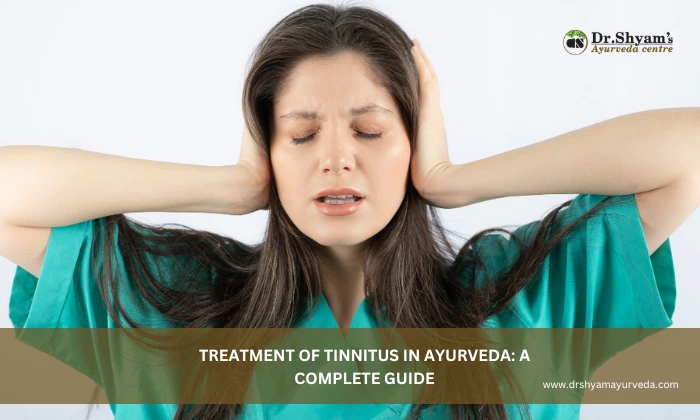
Tinnitus is the perception of sound in the ears without any external source producing it. It may present as ringing, buzzing, hissing, whistling, or humming, and can affect one ear or both, either constantly or intermittently.
Tinnitus is broadly classified into two types:
- Subjective tinnitus, where the noise can be heard only by the affected individual.
- Objective tinnitus, where the noise can also be heard by a physician using a stethoscope.
From a modern medical standpoint, tinnitus is often linked to hearing loss, nerve damage, ear infections, or prolonged exposure to loud noise. However, severity and triggers vary widely from person to person, and in many cases the exact cause remains difficult to pinpoint.
Common Symptoms of Tinnitus
- Persistent or intermittent ringing in the ears
- Buzzing, humming, or whistling sounds
- Sound perceived in one ear, both ears, or inside the head
- Noise intensity ranging from soft to loud, and low- to high-pitched
- Associated symptoms such as hearing loss, dizziness, difficulty concentrating, irritability, anxiety, and disturbed sleep
How Tinnitus Affects Daily Life
Beyond the constant noise itself, tinnitus can quietly impact day-to-day wellbeing. Many people find it harder to concentrate at work, fall asleep, or stay calm in quiet environments where the sound becomes more noticeable. Over time, untreated tinnitus can contribute to anxiety, low mood, and social withdrawal, which is why early, structured intervention matters as much as managing the sound itself.
Causes of Tinnitus According to Ayurveda
Tinnitus is mentioned in classical Ayurvedic texts by Acharya Vagbhatta and Acharya Susruta, described as Karna Nadam and Karna Swedam respectively.
Ayurvedic View of Tinnitus (Vata Imbalance)
According to Ayurveda, vitiated Vata dosha, often encircled by Kapha dosha, enters the sabdavaha srotas and produces different perceived sounds in the ears, described in classical texts as resembling bheri, mridanga, and shanka (types of drums and conch sounds).
Common Medical Causes and Risk Factors
Modern causative factors are generally grouped under subjective and objective tinnitus:
- Subjective tinnitus is commonly associated with anemia, hypertension or hypotension, arteriosclerosis, Meniere’s disease, multiple sclerosis, thyroid dysfunction, anxiety and depression, vitamin deficiency, and the use of ototoxic medications.
- Objective tinnitus may result from impacted earwax, acute or chronic otitis media, noise-induced hearing loss, acoustic neuroma, neurological disorders, clicking of the temporomandibular joint, vascular lesions, a patulous Eustachian tube, or chronic contraction of the palatal or tympanic muscles.
Read more: Ayurvedic treatment for fissure
Treatment of Tinnitus in Ayurveda
Ear tinnitus treatment in Ayurveda is personalized rather than one-size-fits-all. At Dr. Shyam Ayurveda, every treatment plan is designed after carefully assessing the patient’s dosha constitution, chronicity of symptoms, and any associated conditions.
Panchakarma Therapies for Tinnitus
For chronic or long-standing tinnitus, Panchakarma Treatment in Dubai plays a crucial role. Panchakarma is a specialised detoxification and rejuvenation process aimed at clearing deep-seated doshic imbalances affecting the body.
Commonly used therapies include:
- Nasya – medicated nasal therapy that helps clear the sensory channels
- Sneha Virechanam – purgation using oil-based medicines to pacify aggravated Vata
- Shirodhara – continuous pouring of herbal liquids over the forehead to calm the nervous system
Alongside these, external therapies such as Ghritapanam (intake of Vata-pacifying ghee), Pinda Swedam (fomentation with a bolus of vata-pacifying herbs), Nadi Swedam (steam therapy using medicinal leaves boiled in rice wash), Karna Dhoopanam (ear fumigation with guggulu and ghee or agarwood and ghee), and Karna Poornam (ear-oil instillation using formulations like Sarsapa Tailam, Vachadi Tailam, Bilwa Tailam, or Dipika Tailam) are used to nourish the ear canal and support the healing process.
Ayurvedic Herbs Used for Tinnitus
Herbal formulations help pacify aggravated Vata, nourish nerve tissue, improve circulation, and support mental calmness. These are prescribed strictly after consultation and tailored to individual needs, and commonly include:
- Rasnadi Guggulu
- Kanchanara Guggulu
- Triphala Guggulu
- Balarishtam
- Draksharishtam
- Rasnadi Kashayam
- Brahmi Vati
Diet and Lifestyle Recommendations
Since Vata aggravation is central to tinnitus, lifestyle guidance focuses on keeping this dosha in balance. Patients are often advised to avoid head baths and excessive physical exertion, maintain regular sleep and meal timings, and reduce exposure to loud or jarring noise.
Simple measures like using a fan or a gently ticking clock for background sound can help mask tinnitus at night and support better sleep. Counselling and reassurance are also an important part of care, particularly for patients experiencing anxiety alongside the ringing.
Personalized Ayurvedic Treatment Plans
No two cases of tinnitus are identical, which is why treatment at Dr. Shyam Ayurveda begins with a detailed assessment of dosha constitution, the duration and severity of symptoms, and any underlying conditions such as hearing loss or hypertension. Internal medicines, external therapies, and Panchakarma protocols are then combined and adjusted over the course of treatment, based on how the patient responds.
Read more: Ayurvedic Treatment for Infertility in Females
Can Ayurveda Cure Tinnitus?
What Results Can You Expect?
Tinnitus linked to hearing loss is often associated with nerve degeneration and poor nourishment of the auditory structures. Ayurveda addresses this through Rasayana therapy, which focuses on tissue rejuvenation and strengthening.
The aim is to improve nerve conductivity, enhance microcirculation to the inner ear, slow degenerative changes, and reduce dependency on symptomatic relief methods alone. Many patients experience a noticeable reduction in tinnitus intensity and improved auditory comfort with consistent care, making this a valuable supportive option even where a complete cure isn’t guaranteed.
Factors That Influence Recovery
Results depend on several factors, including the patient’s age, the severity and duration of the underlying condition, whether hearing loss is already present, and how consistently the treatment plan is followed. Cases identified and treated early tend to respond better than those that have become chronic.
How Long Does Treatment Take?
Mild cases may show improvement within a few weeks of consistent Ayurvedic care, while chronic or age-related tinnitus may require several months of treatment, often involving repeated Panchakarma cycles alongside internal medication.
Tips to Prevent Tinnitus Naturally
Protect Your Hearing
Limiting exposure to loud noise, using ear protection in noisy environments, and avoiding excessive use of headphones at high volumes can go a long way in preventing noise-induced tinnitus.
Manage Stress Effectively
Since Vata aggravation is closely tied to stress and an overactive nervous system, regular practices like meditation, pranayama, and adequate rest can help keep tinnitus symptoms from worsening.
Follow a Healthy Lifestyle
Regular meal timings, adequate sleep, staying hydrated, and avoiding excessive caffeine or alcohol support overall Vata balance and circulatory health, both of which matter for ear health. These principles overlap with broader Ayurvedic approaches to lifestyle disorders, similar to those used in a natural treatment for belly fat or in managing joint conditions through Ayurvedic knee treatment.
When Should You Consult an Ayurvedic Doctor?
Symptoms That Need Medical Attention
While mild, occasional tinnitus is common and often resolves on its own, certain symptoms call for prompt evaluation. These include sudden-onset tinnitus, rapid hearing loss, pulsating sounds in the ear, or tinnitus accompanied by vertigo. Ignoring these signs can allow the underlying condition to progress.
Benefits of Early Ayurvedic Treatment
Seeking care early allows Ayurvedic physicians to address the root imbalance before it becomes chronic, often leading to faster and more complete symptom relief. Just as timely intervention matters in conditions like low back pain or sleep apnea, early Ayurvedic management of tinnitus helps prevent complications and supports a more sustainable recovery.
Conclusion
Tinnitus can significantly affect daily life when left unmanaged, but it doesn’t have to be something you simply live with. Ayurveda offers a holistic, individualised approach to the treatment of tinnitus in Ayurveda, focused on correcting internal imbalances, strengthening the auditory nerves, and calming the mind-body system rather than only suppressing the sound.
With experienced physicians, authentic herbal formulations, and structured Panchakarma programs, Dr. Shyam Ayurveda’s ayurvedic treatment in Dubai offers comprehensive, personalised care for those seeking a lasting cure for tinnitus in Ayurveda. If you’re exploring options in Kerala, the same principles of doshic assessment and Panchakarma also form the foundation of care at a well-established ayurvedic hospital in Kerala. Early diagnosis and consistent treatment remain key to achieving sustainable results.
FAQs
1. Can tinnitus be cured permanently with Ayurveda?
Ayurveda aims to manage tinnitus by addressing its root cause. While a complete, permanent cure depends on the underlying condition and how long it has persisted, many patients experience significant and lasting relief from symptoms.
2. Which Panchakarma treatment is best for tinnitus?
Nasya, Shirodhara, and Sneha Virechanam are among the most commonly used Panchakarma therapies for tinnitus, chosen based on the patient’s dosha imbalance and overall health.
3. Which herbs are commonly used for tinnitus in Ayurveda?
Formulations such as Rasnadi Guggulu, Kanchanara Guggulu, Triphala Guggulu, Balarishtam, Draksharishtam, Rasnadi Kashayam, and Brahmi Vati are commonly prescribed, always under medical guidance.
4. How long does Ayurvedic treatment for tinnitus take?
Mild cases may improve within a few weeks, while chronic or age-related tinnitus may require several months of consistent treatment for noticeable, lasting results.
5. Can stress make tinnitus worse?
Yes. Since tinnitus is closely linked to Vata imbalance and an overactive nervous system, stress can intensify the perception of ringing or buzzing sounds, making stress management an important part of treatment.