Key Takeaways
- Sciatica is a pain that radiates along the sciatic nerve from the lower back through the buttock and down the leg. Ayurveda describes sciatica as Gridhrasi, mainly linked to Vata imbalance.
- Ayurvedic treatment for sciatica combines external therapies, Panchakarma, practitioner-guided herbal medicines, diet, and lifestyle changes.
- Ayurveda works best alongside conventional care. Sudden weakness, numbness in the groin area or loss of bladder or bowel control needs emergency medical attention.
Sharp, shooting pain that runs from the lower back down the leg can make sitting, walking, and even sleeping difficult. Sciatica is common, and many people look for treatments that go beyond painkillers. Ayurvedic treatment for sciatica aims to address the imbalance behind the pain while easing symptoms and supporting mobility.
At Dr. Shyam’s Ayurveda in Dubai, sciatica care is planned individually after a detailed consultation. This guide explains what sciatica is, how Ayurveda approaches it, and what diet and lifestyle steps may help.
What Is Sciatica? Gridhrasi in Ayurveda
What is Sciatica and How Does it Affect the Body?
Sciatica refers to pain caused by irritation or compression of the sciatic nerve, the longest nerve in the body. It usually affects one side and can range from a dull ache to burning or electric-shock-like pain. Sciatic pain often improves within weeks, though some cases last longer.
What is Gridhrasi in Ayurveda?
Gridhrasi is the Ayurvedic condition most closely matched with sciatica. The name comes from the vulture-like (gridhra) gait a person develops while limping to avoid pain. Classical Ayurvedic texts describe stiffness, pain, and a pricking sensation starting at the hip and moving down the back of the thigh, calf and foot.
Common Causes of Sciatica
- Herniated or slipped disc
- Spinal stenosis (narrowing of the spinal canal)
- Piriformis syndrome
- Spondylolisthesis or degenerative changes
- Injury, pregnancy or prolonged sitting
Symptoms of Sciatica to Recognise
- Pain from the lower back or buttock down the leg
- Tingling, numbness or pins and needles in the leg or foot
- Muscle weakness in the affected leg
- Pain that worsens with sitting, coughing, or sneezing
How Does Ayurveda Approach Sciatica Treatment?
Understanding Vata Imbalance in Gridhrasi
According to Ayurveda, aggravated Vata, sometimes along with Kapha, settles in the lumbar region and travels down the leg, producing pain and stiffness. Cold exposure, irregular routines, long sitting, and dry or heavy foods are believed to aggravate Vata.
Individualised Ayurvedic Assessment
Treatment begins with a review of your history, body constitution (prakriti), the type of pain, and any scan findings. Two people with sciatica may receive very different plans.
The Role of Traditional Ayurvedic Therapies
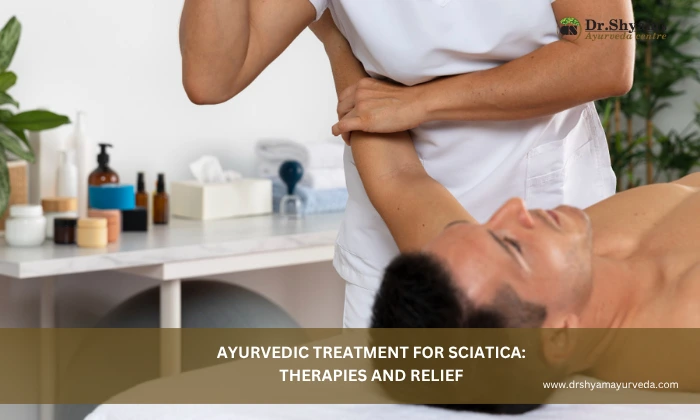
Oil massage, fomentation and medicated enemas are used to pacify Vata, relax tight muscles and support nerve and joint health. Therapies are selected for suitability, strength and stage of the condition.
Combining Ayurveda With Conventional Medical Care
The safest approach is to use Ayurveda alongside your doctor’s plan: share your scan reports and medicines with both practitioners, and let your doctor guide decisions on pain medicines, physiotherapy, injections or surgery.
Therapies such as Kati Basti, Abhyanga and Swedana are generally used as supportive care for pain, stiffness and mobility, and are often combined with physiotherapy, gentle exercise and medicines prescribed by your doctor. Tell your Ayurvedic physician about every tablet you take, including blood thinners, anti-inflammatories and diabetes medicines, as some herbal formulations may interact with them. Do not stop or change prescribed medicines on your own.
Keep both practitioners updated on changes in your symptoms. Worsening leg weakness, numbness around the groin or loss of bladder or bowel control is an emergency that needs immediate conventional medical care, and Ayurvedic treatment should never delay it.
Ayurvedic Treatment for Sciatica
Abhyanga: Therapeutic Oil Massage
Abhyanga is a full-body or targeted massage with warm medicated oil, traditionally used to reduce stiffness and soothe Vata.
Read more about Ayurvedic treatment for knee injuries.
Swedana: Traditional Heat-Based Therapy
Swedana is therapeutic sweating through herbal steam or heated poultices. It is traditionally used to loosen stiffness and improve comfort, and is usually done after oil massage.
Basti: Medicated Enema Therapy
Basti is considered the main treatment for Vata disorders in Ayurveda. Oil-based or decoction-based enemas are given in a course under strict supervision, and it is not suitable for everyone.
Kati Basti: Localised Oil Therapy for the Lower Back
In Kati Basti, a ring of dough is placed on the lower back and filled with warm medicated oil for a set time. It is commonly used for lumbar pain and stiffness.
Panchakarma for Sciatica: When is it Considered?
Panchakarma may be considered for chronic or recurrent pain when the person is strong enough for cleansing procedures. A practitioner decides the therapies and sequence.
Learn more about Panchakarma treatment in Dubai.
Ayurvedic Medicine for Sciatica: Practitioner-Guided Options
Practitioners may choose from classical formulations such as:
- Maharasnadi Kashayam
- Gandharvahastadi Kashayam
- Yogaraja Guggulu
- Rasnadi Guggulu
- Dhanwantharam Thailam and Kottamchukkadi Thailam (external oils)
Disclaimer: These medicines are named for information only and no dosage is suggested. They must be taken only after consultation with a qualified Ayurvedic physician. Self-medication is not recommended, especially during pregnancy, with other medications or with kidney, liver or digestive conditions.
Safety Precautions Before Starting Treatment
- Share your MRI or X-ray reports and current medicines
- Tell your doctor if you are pregnant, diabetic or have high blood pressure
- Avoid forceful massage over a painful or inflamed spine
- Report any new weakness or numbness immediately
Diet for Sciatica in Ayurveda
Foods to Include in a Balanced Diet
Ayurveda favours warm, freshly cooked and easily digestible meals to keep Vata balanced: moong dal, rice, cooked vegetables, ghee in moderation, sesame, garlic and ginger, and soups.
Dietary Habits That May Support General Well-Being
Eat at regular times, avoid skipping meals, and limit cold, dry, fried or heavily processed foods. Light dinners support digestion and sleep.
The Importance of Hydration and Healthy Weight Management
Sipping warm water throughout the day supports general health, and traditional practice includes water stored in copper, as explained in our guide to copper vessel water benefits. Extra body weight adds load to the spine, so healthy weight management also matters.
Foods and Supplements: What to Discuss With Your Practitioner
Discuss any herbs, supplements or special diets with your doctor, as some may interact with medicines such as blood thinners.
Lifestyle Changes and Exercises for Sciatica Management
Gentle Stretching and Suitable Physical Activity
Walking and gentle stretching, as advised by your doctor or physiotherapist, are generally encouraged over long bed rest. Yoga should be done only under qualified guidance, and forward bends may need to be avoided.
Maintaining Proper Sitting and Sleeping Posture
Sit with back support and feet flat on the floor. Many people find relief sleeping on their side with a pillow between the knees or on their back with a pillow under the knees.
Avoiding Prolonged Sitting and Heavy Lifting
Take short walking breaks every 30 to 45 minutes. Bend at the knees and avoid twisting while lifting.
Managing Stress and Maintaining a Consistent Sleep Routine
Stress and poor sleep are believed to aggravate Vata and may heighten pain perception. Pranayama, meditation and a fixed bedtime support recovery.
When to Stop Exercising and Seek Medical Advice
Stop any activity that increases leg pain, numbness or weakness, and consult your doctor.
When Should You Consult a Doctor for Sciatica?
See a doctor if pain lasts more than a few weeks, keeps returning, or interferes with daily life. Seek emergency care without delay if you have:
- Loss of bladder or bowel control
- Numbness around the groin or inner thighs
- Sudden severe weakness in the leg
- Pain after a serious fall or injury, or with fever
At Dr. Shyam’s Ayurveda, our physicians offer personalised Ayurvedic treatment in Dubai after assessing your condition. Our clinic also supports other concerns, including skin problems, keloids, seborrheic eczema and scalp psoriasis, anal fissure, menopause and kidney stones.
Conclusion
Sciatica can make everyday movement painful, but you do not have to manage it alone. Ayurveda looks at Gridhrasi as a Vata-related imbalance and offers oil therapies, Kati Basti, Panchakarma, practitioner-guided medicines, diet and lifestyle guidance to support comfort and mobility. Used alongside your doctor’s care, and started early, this individualised approach can help you manage pain and get back to routine activities.
Ready to take the first step? Book a consultation at Dr. Shyam’s Ayurveda in Dubai for a personalised assessment and treatment plan
FAQs
1. What is the best Ayurvedic treatment for sciatica?
There is no single best treatment. A plan may include Abhyanga, Kati Basti, Swedana, Basti, medicines and lifestyle changes, chosen after an individual assessment.
2. Can Ayurveda help manage sciatica pain?
Ayurveda may help ease pain and stiffness and support mobility in many people. It should complement medical care, and scientific evidence is still limited.
3. What is Gridhrasi in Ayurveda?
Gridhrasi is the Ayurvedic term for pain radiating from the lower back down the leg, which closely resembles sciatica.
4. Which Ayurvedic medicine is used for sciatica pain?
Formulations such as Maharasnadi Kashayam, Gandharvahastadi Kashayam, and Yogaraja Guggulu are traditionally used, only under a physician’s guidance.
5. Is Panchakarma beneficial for sciatica?
It may be considered for chronic Vata-related pain in suitable patients, after assessment of strength and health.
6. What is Kati Basti, and how is it used in sciatica care?
Kati Basti is a localised therapy where warm medicated oil is retained over the lower back to relax muscles and ease stiffness.
7. What is the recommended diet for sciatica in Ayurveda?
Warm, fresh, easily digestible meals at regular times, with fewer cold, dry, fried and processed foods.
8. Can sciatica be cured permanently with Ayurvedic treatment?
No treatment can promise a permanent cure. Outcomes depend on the underlying cause, and many people find lasting relief with consistent care and lifestyle changes.
9. How long does Ayurvedic treatment for sciatica take?
Mild cases may improve within a few weeks, while chronic cases may need several months of treatment and follow-up.
10. When should someone with sciatica seek medical attention?
Seek prompt care for persistent or worsening pain, and emergency care for weakness, groin numbness or loss of bladder or bowel control.
Disclaimer: This content is for general education and does not replace professional medical advice, diagnosis or treatment. Consult a qualified doctor before starting any medicine or therapy.