Key Takeaways
- Ayurveda has long recommended storing and drinking water from copper vessels, a practice known as Tamra Jal.
- Copper is an essential trace mineral, needed for iron metabolism, connective tissue, and immune function.
- Copper surfaces do have measurable antimicrobial properties, which supports some of the traditional reasoning behind copper storage.
- Moderation matters: excess copper intake can be harmful, so correct usage and storage duration are important.
What is Copper Water?
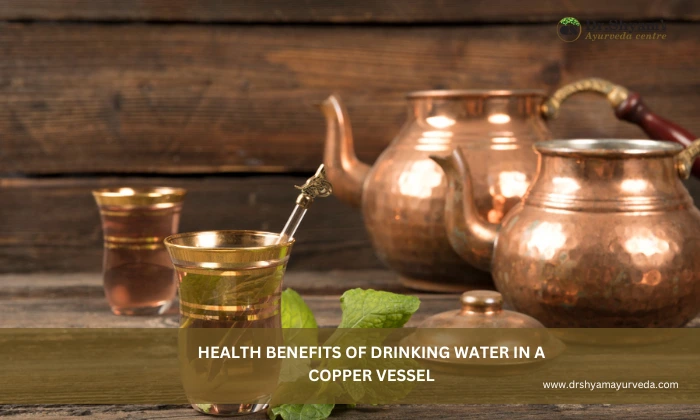
Copper water refers to water that has been stored in a vessel, bottle, or glass made of copper for a period of time, allowing trace amounts of copper to leach into the water. In Ayurveda, this practice is valued not just for the mineral content but as part of a broader daily wellness ritual.
What is Tamra Jal in Ayurveda?
In Ayurvedic texts, water stored overnight in a copper vessel is referred to as Tamra Jal, or copper-infused water. It is traditionally recommended to be consumed first thing in the morning, on an empty stomach, as part of a daily routine believed to support digestion and overall balance.
How does copper infuse into water?
When water is stored in a copper vessel, small amounts of copper ions dissolve into the water. These ions contribute to the oligodynamic effect, which is responsible for copper’s antimicrobial activity. The amount that leaches depends on factors such as the acidity of the water, storage duration, and the surface area of copper in contact with the water.
Difference between copper bottle, copper glass and copper pot
A copper bottle is typically used to carry and sip water throughout the day, offering continuous, low-level copper contact. A copper glass, or tumbler, is generally used to drink water that has already been stored elsewhere, offering more limited contact time. A copper pot or kalash, on the other hand, is traditionally used for overnight storage, allowing for longer, more concentrated infusion. The choice between these often comes down to convenience and how the water is intended to be consumed.
Read more: Ayurvedic Treatment in Dubai
Why Does Ayurveda Recommend Drinking Water from Copper Vessels?
Balancing Vata, Pitta and Kapha
In Ayurveda, copper is believed to have properties that help balance all three doshas, Vata, Pitta, and Kapha, though its warming, slightly stimulating quality is often considered particularly useful for supporting Kapha and Vata-related sluggishness, while being used mindfully for those with a Pitta-dominant constitution.
Traditional Ayurvedic perspective
Classical Ayurvedic texts describe copper as having qualities that support digestion (Agni), help balance the doshas, and contribute to overall vitality. This is part of why copper vessels have traditionally been used not just for drinking water, but also in cooking and religious rituals.
Morning copper water ritual
The traditional recommendation is to fill a copper vessel with water in the evening, let it sit undisturbed overnight, and drink it first thing in the morning on an empty stomach. This ritual is believed to help kickstart digestion and support the body’s natural detoxification processes as part of a broader daily routine.
Health Benefits of Drinking Water from a Copper Vessel
Supports digestive health
Copper is traditionally believed to stimulate the stomach lining in a way that supports the digestive process, helping to reduce issues like bloating, indigestion, and acidity when consumed as part of a consistent morning routine.
May help maintain healthy immunity
Copper plays a supporting role in overall immune health, as it is required for several immune-related enzymatic processes in the body, making adequate copper intake relevant to maintaining a well-functioning immune system.
Natural antimicrobial properties
Copper surfaces possess genuine antimicrobial properties and have been shown to reduce bacterial contamination in stored water, which aligns with the traditional practice of using copper vessels for water storage, particularly in settings without reliable water purification.
Supports collagen and connective tissues
Copper is an essential cofactor for enzymes involved in forming and maintaining connective tissue, including collagen and elastin, which are important for skin elasticity, joint health, and wound healing.
Helps maintain healthy skin
Because of its role in collagen formation, adequate copper intake is often associated with supporting skin structure and repair, though drinking copper water alone should not be viewed as a stand-alone skincare solution.
Supports iron metabolism
Copper is required for the proper absorption and utilisation of iron in the body, making it relevant to maintaining healthy red blood cell production and preventing certain forms of anaemia when dietary copper is adequate.
Provides an essential trace mineral
Beyond its more specific roles, copper is simply one of the essential trace minerals the body needs in small amounts for a wide range of physiological functions, including iron metabolism, connective tissue formation, nervous system function, and immune health.
Read more: Panchakarma Treatment in Dubai
What Does Modern Science Say?
Copper’s role in human health
Modern nutritional science confirms that copper is an essential trace mineral required for iron metabolism, connective tissue formation, nervous system function, and immune health. The recommended dietary allowance (RDA) for adults is set at 900 micrograms per day, an amount that is generally achievable through a normal, varied diet.
Scientific evidence on antimicrobial effects
There is credible scientific support for copper’s antimicrobial properties, with research indicating that copper surfaces can meaningfully reduce bacterial contamination, which lends some support to the traditional use of copper vessels for water storage, particularly where water quality may otherwise be a concern.
Claims that still need more research
While copper’s basic physiological roles are well established, many of the more specific health claims associated with drinking copper water, such as significant weight loss, anti-ageing effects, or disease prevention, are not yet backed by strong clinical evidence and should be viewed with appropriate caution.
Copper Water Benefits vs Myths
Does it detoxify the body?
Copper water is often marketed as a detoxifying drink, but the body’s own liver and kidneys are primarily responsible for detoxification. There is no strong evidence that copper water enhances this process beyond normal hydration and healthy organ function.
Can it help with weight loss?
Some claim that copper water aids weight loss by improving metabolism, but there is currently no robust scientific evidence to support copper water as a direct or significant contributor to weight loss on its own.
Can it slow ageing?
Copper’s role in collagen formation has led to claims about anti-ageing benefits, but drinking copper water alone is unlikely to produce noticeable anti-ageing effects; overall diet, skincare, and lifestyle play a far larger role.
Can it cure diseases?
Copper water is sometimes promoted as a cure for various ailments, but this is not supported by current scientific evidence. It should not be viewed as a treatment or cure for any disease, and such claims should be approached with caution.
Read more: Ayurveda treatment for Low back pain
How to Drink Copper Water Correctly
How long should water stay in a copper vessel?
Most Ayurvedic guidance recommends storing water in a copper vessel for at least 6 to 8 hours, commonly done overnight, to allow adequate infusion without excessive copper leaching.
Best time to drink
The traditional recommendation is to drink copper-infused water first thing in the morning, on an empty stomach, before consuming any other food or beverage.
How much copper water to drink per day
Most Ayurvedic and general wellness guidance suggests limiting copper water intake to one to two glasses per day, which is generally sufficient to gain traditional benefits without risking excess copper intake, especially when combined with copper from regular dietary sources.
Should you drink it daily?
Many practitioners recommend daily use as part of a consistent routine, though it’s advisable to avoid drinking copper water exclusively throughout the day and to maintain a varied fluid intake overall.
Potential Side Effects of Excess Copper
Copper toxicity symptoms
Excess copper intake can lead to symptoms such as nausea, vomiting, abdominal pain, and diarrhoea. In more severe or prolonged cases of excess intake, it may affect the liver and other organs, underscoring the importance of moderation.
Safe intake recommendations
The tolerable upper intake level (UL) for copper in adults is set at 10 milligrams per day, and the WHO guideline value for copper in drinking water is 2 milligrams per litre. Staying within these established limits, along with following recommended storage durations, helps ensure copper water is consumed safely.
When to consult a healthcare professional
Individuals with liver conditions such as Wilson’s disease, or those on copper-affecting medications, should consult a healthcare professional before making copper water a regular habit, since their bodies may handle copper differently than the general population.
Read more: Ayurvedic treatment for fissure
Ayurvedic Lifestyle Tips to Maximize Benefits
Healthy morning routine
Pairing copper water with other Ayurvedic morning practices, such as tongue scraping, oil pulling, and gentle stretching, can support an overall sense of balance and readiness for the day.
Hydration practices
Beyond copper water, Ayurveda emphasises mindful hydration throughout the day, favouring warm or room-temperature water over iced drinks, and sipping water gradually rather than consuming large amounts at once.
Complementary Panchakarma therapies
For those looking to go beyond daily rituals and address deeper imbalances, classical Panchakarma treatment in Dubai offers a more structured, supervised approach to detoxification and dosha balancing, complementing everyday practices like copper water with a comprehensive seasonal reset.
FAQs
1. Is copper water good for health?
Yes, in moderate amounts. Copper is an essential trace mineral, and copper vessels have genuine antimicrobial properties, though it should be consumed within recommended limits and not viewed as a cure-all.
2. What are the benefits of drinking water in a copper vessel?
Potential benefits include support for digestion, immunity, iron metabolism, and connective tissue health, along with the natural antimicrobial effect of copper on stored water.
3. How much copper water should I drink daily?
Most guidance recommends limiting intake to one to two glasses per day as part of an overall varied fluid intake.
4. How long should water stay in a copper vessel?
Around 6 to 8 hours, commonly achieved by storing it overnight, is generally recommended for adequate infusion.
5. Can I store water overnight in copper?
Yes, overnight storage is the traditional and most common approach, and is well within recommended storage durations.
6. Is drinking water from a copper glass safe?
Generally, yes, when the copper is of good quality and intake stays within recommended limits. Those with certain liver conditions should consult a doctor first.
7. Does copper water improve immunity?
Copper does play a supporting role in immune function as an essential trace mineral, but copper water alone should not be relied upon as a primary immunity booster.
8. Can copper water help digestion?
Ayurveda traditionally associates copper water with digestive support, particularly when consumed first thing in the morning, though individual responses can vary.
9. Who should avoid drinking copper water?
Individuals with Wilson’s disease or other conditions affecting copper metabolism, pregnant or breastfeeding women without medical guidance, and those on medications that interact with copper should consult a healthcare professional before starting this practice.
10. How do I clean a copper bottle naturally?
A natural mixture of lemon juice and salt, or tamarind pulp, can be rubbed on the interior and exterior surfaces to remove tarnish, followed by a thorough rinse with plain water before reuse.
Disclaimer: This article is for general educational purposes only and does not replace professional medical advice, diagnosis, or treatment. Please consult a qualified physician before making significant changes to your diet or wellness routine.