In today’s fast-paced world, stress, fatigue, muscle discomfort and body stiffness are common concerns. Ayurveda, the traditional Indian system of healthcare, offers various external therapies involving medicated oils, herbal preparations, massage techniques and specialised procedures.
If you are looking for an authentic Ayurvedic massage in Dubai, understanding the different treatments can help you make an informed choice. Popular Kerala Ayurvedic therapies include Abhyangam, Elakizhi, Naranga Kizhi, Njavara Kizhi, Pizhichil and Marma Massage. Other traditional procedures include Shirodhara, Udvarthanam and Kati Vasti.
At Dr. Shyam’s Ayurveda Centre, patients can explore traditional Ayurvedic therapies selected according to individual requirements and practitioner assessment. This guide explains the different massage types, their traditional applications, treatment considerations and what to expect before booking.
What Is Ayurvedic Massage?
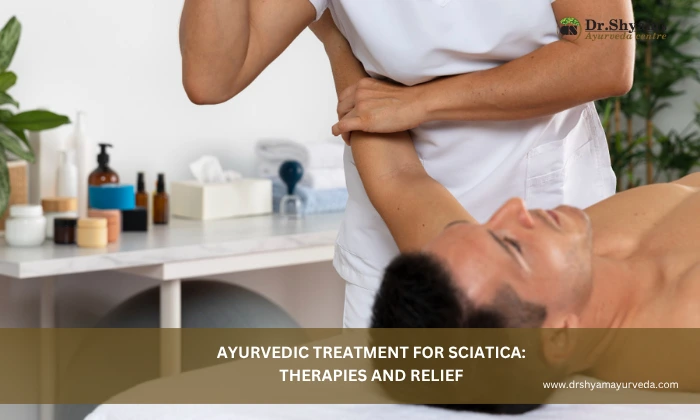
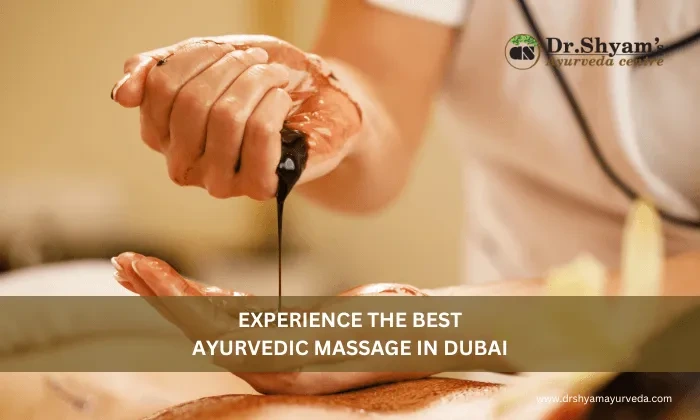
Ayurvedic massage is a traditional external therapy that uses specialised techniques, herbal medicated oils and other preparations according to Ayurvedic principles.
Unlike a conventional relaxation massage, traditional Ayurvedic procedures may be selected based on an individual’s body constitution (Prakriti), health concerns and practitioner assessment.
Traditional Ayurvedic Massage and Its Wellness Applications
People explore Ayurvedic massage for different reasons, including relaxation, temporary relief from muscular tension, general physical comfort and traditional skin-care routines.
Depending on the procedure, traditional Ayurvedic massage may involve:
Application of selected medicated oils.
External techniques involving herbal leaves and powders.
Warm herbal poultices and specialised massage movements.
Traditional body-care and relaxation practices.
Individualised treatment recommendations.
In Ayurveda, these procedures are also discussed in relation to Vata, Pitta and Kapha. These are traditional Ayurvedic concepts and should not be interpreted as established medical mechanisms or guaranteed treatment outcomes.
Difference Between Ayurvedic Massage and Spa Massage
A conventional spa massage generally focuses on relaxation and physical comfort. Traditional Ayurvedic massage follows specific procedures involving selected oils, herbal preparations and techniques.
Some Ayurvedic external therapies are also used as part of broader treatment programmes following practitioner assessment.
Importance of Doctor-Guided Treatment Selection
Not every massage is suitable for everyone. A qualified practitioner should consider existing health conditions, symptoms, medical history, medications and possible contraindications before recommending a procedure.
Different Types of Ayurvedic Massage in Dubai
Dr. Shyam’s Ayurveda Centre offers various traditional Kerala Ayurvedic procedures. The following are some commonly discussed therapies.
1. Abhyangam – Traditional Full-Body Ayurvedic Oil Massage
Abhyangam is a traditional Ayurvedic oil massage involving the application of warm medicated oil using specific massage strokes and techniques.
The oils and application method may be selected according to the individual’s assessment. It is traditionally associated with relaxation, body nourishment and general wellness.
Explore Abhyangam Massage in Dubai.
2. Elakizhi – Herbal Leaf Poultice Therapy
Elakizhi, also known as Patra Pinda Swedam, is a traditional Kerala therapy involving herbal leaf poultices.
Selected medicinal leaves and other ingredients are prepared, tied into cloth bundles and warmed before being applied to specific body areas through controlled movements.
It is traditionally used in Ayurvedic treatment plans involving stiffness and muscular discomfort.
3. Naranga Kizhi – Citrus Herbal Poultice Therapy
Naranga Kizhi, also called Jambira Pinda Swedam, is a specialised Kizhi procedure using citrus-based herbal preparations.
Ingredients such as lemon, salt and other selected materials are prepared and placed into cloth bundles. These are warmed and applied using specific techniques.
4. Njavara Kizhi – Traditional Rice-Based Poultice Therapy
Njavara Kizhi, or Shashtika Shali Pinda Swedam, involves specially prepared Njavara rice.
The rice preparation is traditionally combined with milk and other prescribed ingredients, placed into cloth bundles and used in a specialised external therapy.
5. Podikizhi – Herbal Powder Poultice Therapy
Podikizhi, also called Choorna Pinda Swedam, uses selected herbal powders packed into cloth bundles.
The bundles are warmed and applied through specific massage and fomentation techniques. The application method depends on the practitioner’s recommended procedure.
6. Pizhichil – Traditional Oil-Pouring Therapy
Pizhichil is a specialised Kerala Ayurvedic procedure involving the continuous pouring of warm medicated oil over the body while coordinated massage movements are performed.
It is also known as Thailadhara and is traditionally associated with relaxation and rejuvenation.
Read more about Pizhichil Treatment in Dubai.
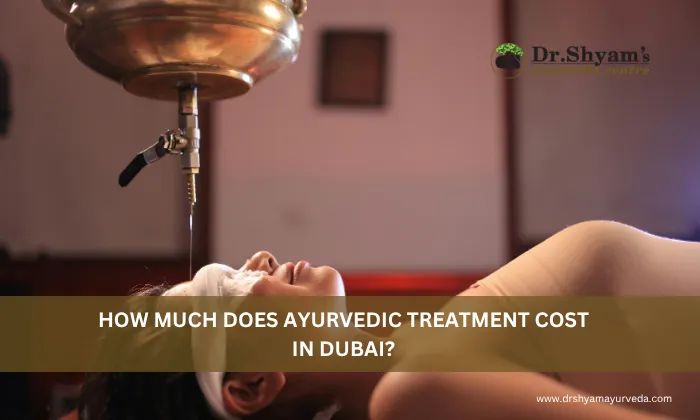
7. Shirodhara – Traditional Forehead Oil Therapy
Shirodhara is a traditional Ayurvedic procedure in which a steady stream of selected liquid, commonly medicated oil, is poured over the forehead for a prescribed duration.
The procedure is traditionally associated with relaxation and calming experiences. The material used, temperature and duration are determined according to the treatment protocol.
8. Udvarthanam – Traditional Herbal Powder Massage
Udvarthanam, also known as Udwarthanam, is an Ayurvedic external procedure involving the application of herbal powders through specialised massage strokes.
Unlike oil-based Abhyangam, Udvarthanam uses dry or suitably prepared herbal powders. It is traditionally included in certain Ayurvedic body-care and wellness programmes.
It should not be advertised as a guaranteed weight-loss or fat-reduction treatment.
9. Marma Abhyanga – Traditional Vital-Point Massage
Marma Abhyanga combines traditional oil application with Marma-based techniques.
Marma refers to specific vital points described in Ayurvedic texts. The practitioner applies appropriate techniques around selected areas based on traditional Ayurvedic principles.
This therapy requires specialised knowledge and should be performed by an appropriately qualified practitioner.
10. Padaabhyangam – Traditional Ayurvedic Foot Massage
Padaabhyangam is an Ayurvedic foot massage involving selected oils and traditional massage techniques applied to the feet.
It forms part of traditional Ayurvedic foot-care and relaxation practices.
11. Kati Vasti – Targeted Lower-Back Oil Therapy
Kati Vasti is a specialised Ayurvedic external procedure focused on the lower-back region.
A dough-based ring is placed over the selected area and filled with warm medicated oil, which is maintained at an appropriate temperature for the prescribed duration.
It is traditionally used in Ayurvedic treatment plans involving lower-back discomfort. However, persistent back pain requires proper medical assessment to identify its underlying cause.
12. Ayurvedic Steam Bath – Traditional Herbal Steam Therapy
An Ayurvedic steam bath, traditionally known as Swedana in specific contexts, involves exposing the body to controlled warm steam.
Depending on the procedure, herbal preparations may be used as part of the steam application. Some traditional treatment protocols include steam therapy following oil application.
It is important to distinguish steam therapy from massage itself. Its suitability depends on the individual’s health, temperature tolerance and practitioner recommendations.
Comparing Different Ayurvedic Massage Therapies
| Therapy | Traditional technique | Key characteristic |
|---|---|---|
| Abhyangam | Medicated oil application | Full-body oil massage |
| Elakizhi | Herbal leaf poultice | Warm herbal bundles |
| Naranga Kizhi | Citrus-based poultice | Specialised Kizhi procedure |
| Njavara Kizhi | Rice-based poultice | Traditional rice preparation |
| Podikizhi | Herbal powder poultice | Powder-based therapy |
| Pizhichil | Continuous oil pouring | Traditional oil therapy |
| Shirodhara | Continuous forehead pouring | Traditional relaxation procedure |
| Udvarthanam | Herbal powder massage | Powder-based massage |
| Marma Abhyanga | Marma-based bodywork | Selected vital points |
| Padaabhyangam | Foot massage | Traditional foot therapy |
| Kati Vasti | Warm oil retention | Lower-back procedure |
| Steam Bath | Controlled steam application | Complementary external procedure |
Which Ayurvedic Massage Is Right for You?
There is no single best Ayurvedic massage for everyone. The appropriate procedure depends on your health concerns, treatment requirements and practitioner’s assessment.
Choosing a Therapy Based on Your Health Concerns
Individuals looking for traditional full-body oil massage may enquire about Abhyangam. Those interested in specialised herbal procedures may explore Kizhi therapies, Pizhichil or Shirodhara.
People experiencing back or joint discomfort should seek an appropriate assessment before selecting Kati Vasti or other external therapies.
Individualised Oils and Treatment Procedures
Different procedures use different oils, herbal preparations and techniques. The selected materials and application methods depend on the treatment plan.
Who Should Consult a Doctor Before Ayurvedic Massage?
Massage and external therapies require additional consideration in certain circumstances.
Consult an appropriate healthcare professional and inform your Ayurveda practitioner if you have:
Heart or kidney conditions.
Blood-clotting or bleeding disorders.
Pregnancy or recent surgery.
Skin infections, wounds, burns or allergies.
Osteoporosis or nerve-related conditions.
Significant medical conditions or ongoing cancer treatment.
Some procedures involving heat, pressure or massage may not be suitable in these circumstances.
Possible reactions include skin irritation, soreness, discomfort or heat-related symptoms. Treatment should be stopped and appropriate medical advice sought if an unexpected reaction occurs.
The World Health Organization’s Benchmarks for the Practice of Ayurveda provide guidance on practitioner competence, facility standards and patient safety.
What to Expect During an Ayurvedic Massage Session
Initial assessment: The practitioner reviews your health information, existing concerns and suitability for the selected therapy.
Treatment preparation: Suitable oils, herbal preparations and other materials are selected and prepared.
Procedure and duration: The therapist performs the selected procedure using traditional techniques. Duration depends on the treatment and clinic protocol.
Post-treatment guidance: You may receive instructions regarding hygiene, rest, activity and other aftercare considerations.
Why Choose Dr. Shyam’s Ayurveda Centre for Ayurvedic Massage in Dubai?
Choosing an appropriate Ayurveda centre involves more than comparing treatments and prices.
Dr. Shyam’s Ayurveda Centre provides traditional Kerala Ayurvedic consultation and therapy services in Dubai and Ajman.
Patients can explore procedures such as Abhyangam, Kizhi, Pizhichil and other specialised external therapies.
The clinic highlights individualised treatment selection and traditional Ayurvedic practices. Before booking, verify practitioner qualifications, relevant UAE licensing, available procedures and treatment fees.
The UAE Government’s guidance on alternative medicine explains the recognised Traditional, Complementary and Alternative Medicine streams, including Ayurveda and therapeutic massage.
For additional information about massage precautions, see Healthdirect’s massage therapy safety guide.
Frequently Asked Questions About Ayurvedic Massage in Dubai
What is the best Ayurvedic massage in Dubai?
There is no universally best Ayurvedic massage. Abhyangam, Kizhi, Pizhichil and other therapies use different traditional techniques. The appropriate procedure depends on individual requirements and practitioner assessment.
What is the difference between Abhyangam and Kizhi?
Abhyangam involves applying medicated oils through traditional massage movements, whereas Kizhi uses prepared herbal leaves, powders or other ingredients tied into cloth bundles and applied through specialised techniques.
What is Pizhichil Ayurvedic treatment?
Pizhichil is a traditional Kerala Ayurvedic procedure involving continuous pouring of warm medicated oil over the body while coordinated massage movements are performed.
How much does Ayurvedic massage cost in Dubai?
The price depends on the selected therapy, session duration, materials and treatment requirements. Contact Dr. Shyam’s Ayurveda Centre for current approved prices.
Is Ayurvedic massage suitable for back pain?
Some traditional procedures, including Kati Vasti and selected massage therapies, are used in Ayurvedic treatment plans involving back discomfort. However, suitability depends on the underlying cause and individual assessment. Massage should not replace necessary medical diagnosis or treatment.
Should I consult a doctor before Ayurvedic massage?
Consultation is advisable, especially if you have existing medical conditions, take regular medication, are pregnant or have skin sensitivities. The practitioner can assess whether the proposed procedure is appropriate.
Explore Traditional Ayurvedic Massage Therapies in Dubai
Interested in Abhyangam, Kizhi, Pizhichil or other traditional Kerala Ayurvedic therapies?
Start with a consultation to understand the available procedures, treatment suitability and current fees.
Book Your Ayurvedic Consultation with Dr. Shyam’s Ayurveda Centre