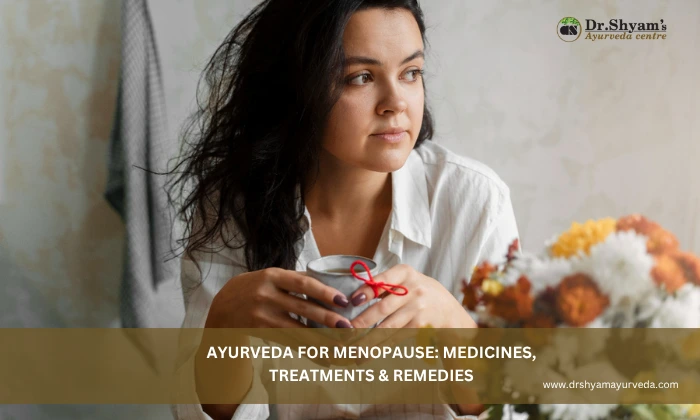
Hot flashes, broken sleep, mood swings, and aching joints… If this sounds familiar, you’re not alone! Many women across the UAE look for gentler, long-term ways to support themselves through menopause. Ayurveda for menopause takes a whole-body approach, looking at your constitution, digestion, sleep, and stress together rather than treating each symptom in isolation.
At Dr. Shyam’s Ayurveda in Dubai and Ajman, we create personalized plans for women in every stage of this transition. Book your consultation today to get started.
Key Takeaways
- Ayurveda sees menopause as a natural life transition, linked mainly to increased Vata and reduced Kapha and tissue nourishment.
- Ayurvedic treatment for menopause may combine herbal medicines, Panchakarma-based therapies, diet, yoga, and daily routine.
- Ayurvedic treatment for menopause is individualized and there is no single best Ayurvedic medicine for menopause for every woman.
- Ayurveda may support symptom management, but it should work alongside, not replace, medical advice, especially if you have an existing health condition.
What Is Menopause and When Does It Occur?
Menopause is the point when menstruation has stopped for 12 consecutive months. It typically occurs between the ages of 45 and 55.
Menopause and Perimenopause
Perimenopause is the transition phase leading up to menopause, which can last several years. Periods may become irregular, and symptoms often begin well before they stop completely.
Common Symptoms of Menopause
Hot flashes and night sweats are the most common symptoms, often accompanied by irregular periods and vaginal dryness. Other frequent physical signs include sleep disturbances, mood changes, weight gain, joint pain, and fatigue. The common symptoms of menopause include:
- Vasomotor symptoms: Sudden feelings of heat, flushing, and sweating.
- Menstrual changes: Irregular, heavier, or lighter periods.
- Genitourinary issues: Vaginal dryness, pain during sex, and urinary urgency or incontinence.
- Psychological effects: Irritability, anxiety, depression, and mood swings.
- Cognitive changes: Brain fog, memory lapses, and difficulty concentrating.
- Physical changes: Hair thinning, dry skin, headaches, and palpitations.
Hormonal Changes During Menopause
Menopause is marked by a significant shift in reproductive hormones as the ovaries gradually reduce their function and release eggs less regularly. As ovarian hormone production falls, the pituitary gland increases its signaling in an attempt to stimulate the ovaries.
Hormones That Decline
- Estrogen: Levels fall markedly during the menopausal transition and remain low after menopause. This decline is associated with hot flashes, night sweats, vaginal dryness, and an increased risk of bone loss (osteoporosis).
- Progesterone: Production decreases as ovulation becomes less frequent and less predictable. In perimenopause, this is a common reason for irregular, delayed, or missed periods.
- Testosterone: Levels in women decline gradually with age, beginning well before menopause. This change may be linked to reduced libido, lower muscle mass, and shifts in energy and mood, though its effects vary from woman to woman.
- Inhibin B: This hormone, produced by the ovarian follicles, declines early in the transition. Its fall reduces the inhibitory signal to the pituitary gland, contributing to the rise in other hormones.
Hormones That Increase
- Follicle-stimulating hormone (FSH): Levels rise as the pituitary works harder to stimulate ovaries that respond less effectively. Persistently elevated FSH is one of the markers doctors may consider, although levels can fluctuate and are not used alone to confirm menopause.
- Luteinizing hormone (LH): This also tends to rise, as lower estrogen weakens the feedback that normally keeps LH levels in check.
The unpredictable swings in estrogen and progesterone during perimenopause, rather than the decline alone, are thought to account for much of the wide range of physical and emotional symptoms women experience. Because symptoms and hormone levels vary considerably between individuals, diagnosis is usually based on age, menstrual pattern, and symptoms, with blood tests used selectively.
How Menopause May Affect Daily Life
Menopause symptoms can significantly disrupt daily life, impacting work, relationships, and physical health, though experiences vary widely from mild to severe. Emotional and cognitive changes are also prevalent, with many women reporting brain fog, memory issues, irritability, anxiety, or depression. Support in this phase can make a real difference.
Read more: Ayurvedic treatment for heel pain
What Does Ayurveda Say About Menopause?
Ayurveda describes this stage as rajonivritti, the natural cessation of the menstrual cycle, and part of the Vata phase of life, when the body’s tissues (dhatus) naturally decline.
Dosha Changes During Menopause
As women move past the Pitta-dominant reproductive years, Vata tends to rise while Kapha and nourishing tissue qualities reduce. Pitta can also become aggravated, which may show up as heat and irritability.
The Role of Vata in Menopausal Symptoms
Aggravated Vata is traditionally associated with dryness, restlessness, anxiety, insomnia, and joint discomfort. Pitta imbalance is linked to hot flashes and sweating.
Individualized Ayurvedic Assessment
Two women may experience menopause very differently. Your practitioner assesses your dosha constitution, digestion, sleep, stress levels, and medical history before recommending anything. This is the foundation of an effective Ayurvedic treatment for menopause.
Ayurvedic Treatment for Menopause
Menopause treatment in Ayurveda is personalized rather than one-size-fits-all. At Dr. Shyam Ayurveda, every treatment plan is designed after carefully assessing the patient’s dosha constitution, chronicity of symptoms, and any associated conditions.
Ayurvedic Medicines for Menopause
Practitioners may use herbs commonly associated with women’s health, such as Shatavari and Ashwagandha, and classical formulations, including Ashokarishta, Chandanasava, Shatavari Ghrita, and Brahmi Ghrita depending on the individual.
Choosing the right ayurvedic medicine for menopause symptoms depends on your doshas and health history, so these should only be taken after consultation. Herbal medicines can interact with other medicines, so always share your full medical history.
Ayurvedic Therapies and Panchakarma
Ayurvedic therapies for menopause primarily utilize Panchakarma detoxification to balance the three doshas (Vata, Pitta, and Kapha) that shift during this transition. Treatment focuses on calming the nervous system, cooling excess heat, and nourishing reproductive tissues to alleviate symptoms like hot flashes, insomnia, and anxiety.
Therapies such as Abhyanga (warm oil massage), Shirodhara (a gentle, continuous flow of warm oil over the forehead) and selected Panchakarma treatment in Dubai procedures such as Nasya and Basti may help calm Vata, support relaxation and improve sleep. The suitability of any therapy depends on your health and stage of menopause.
Diet and Nutrition During Menopause
Warm, freshly cooked, and easily digestible meals are generally favored. Healthy fats such as ghee in moderation, sesame, seasonal vegetables, whole grains, and calcium-rich foods may support bone health and nourishment. Many Ayurvedic practitioners also recommend simple habits such as drinking from a copper vessel; see the benefits of copper vessel water.
Yoga, Meditation and Lifestyle Practices
Gentle mind-body practices are a valued part of Ayurvedic care during menopause. Research suggests they may help ease stress, improve sleep, and support overall well-being, though individual responses vary. Poses that may help include:
- For hot flashes: Legs Up the Wall (Viparita Karani), Reclining Bound Angle (Supta Baddha Konasana), and gentle forward bends are traditionally used to promote a sense of cooling and calm.
- For sleep and anxiety: Child’s Pose (Balasana), Supported Bridge Pose, and Corpse Pose (Savasana) encourage deep relaxation and can be useful in an evening routine.
- For bone and muscle health: Weight-bearing poses such as Warrior II (Virabhadrasana II), Tree Pose (Vrksasana), and Triangle Pose (Trikonasana) help build strength and balance, and may complement other bone-health measures.
- Pranayama: Nadi Shodhana (alternate nostril breathing) and Sitali (cooling breath) are traditionally used to steady the nervous system and may help reduce the intensity of hot flashes.
- Yoga Nidra: This guided relaxation practice, often called “yogic sleep,” can support deep rest and may be helpful for sleep disturbances.
- Mindfulness meditation: Regular practice can strengthen emotional resilience, reduce stress, and improve focus and mental clarity.
Supportive Lifestyle Adjustments
- Nutrition and hydration: A diet rich in whole foods, vegetables, fruits, and whole grains helps maintain steady energy, while adequate hydration is particularly important when managing hot flashes.
- Sleep hygiene: A consistent sleep schedule and a calming bedtime routine can help counter menopause-related sleep disruption.
- Consistency: Practicing yoga and meditation three to five times a week, for 10 to 20 minutes per session, is a realistic target that many women find beneficial over time.
Women with high blood pressure, glaucoma, joint problems, or osteoporosis should check with their doctor or practitioner before starting new poses, particularly inversions or weight-bearing postures.
Read more: Ayurvedic Treatment for Migraine
Ayurvedic Remedies for Common Menopause Symptoms
Ayurvedic Approach to Hot Flashes and Sweating
Cooling, Pitta-pacifying foods such as cucumber, coconut water, and sweet seasonal fruits are commonly suggested, while spicy, fried and very hot foods, caffeine and alcohol are reduced. Your practitioner may add cooling herbal support.
Managing Sleep Disturbances
A warm bath, light dinner, and gentle oil massage on the feet before bed can help. A calming evening routine and limited screen time are also useful. Persistent insomnia deserves a proper assessment.
Supporting Mood and Emotional Well-Being
Meditation, pranayama, supportive herbs, and time in nature are often recommended to ease anxiety and irritability. If you’re experiencing persistent low mood or depression, please speak to a doctor as well.
Managing Joint and Muscle Discomfort
Warm oil massage and heat therapy are traditional approaches to Vata-related stiffness. You may also find our guides on Ayurveda treatment for low back pain and Ayurvedic treatment for knee injuries helpful.
Supporting Digestive Health
Strong digestion (Agni) is central in Ayurveda. Regular mealtimes, warm water, light spices such as cumin, coriander and fennel, and avoiding overeating can ease bloating and constipation, which are common during this transition.
Questions about your symptoms? Message us on WhatsApp, and our team will guide you to the right consultation.
Read more: Hand Tremors Ayurvedic Treatment
Ayurveda for Perimenopause and Hormonal Balance
Ayurvedic Treatment for Perimenopause
Because perimenopause often brings irregular cycles and fluctuating symptoms, early support can be valuable. Ayurvedic treatment for perimenopause focuses on regulating digestion, sleep, stress and the menstrual pattern before symptoms intensify.
Ayurvedic Medicine for Hormonal Imbalance in Women
Ayurveda doesn’t use the term “hormones” in the modern sense, but it addresses similar patterns of imbalance through dosha-balancing herbs, diet, and lifestyle. Ayurvedic medicine for hormonal imbalance in females is always tailored to the individual, and any irregular or heavy bleeding should be checked by a doctor first.
Natural Remedies and Lifestyle Changes
Natural remedies for menopause include regular movement, stress management, balanced meals, adequate hydration, and good sleep hygiene. These work best as long-term habits, not quick fixes.
When to Consult an Ayurvedic Practitioner
Consider a consultation if symptoms disrupt your sleep, mood or daily activities, or if you’d like preventive guidance for bone, heart, and digestive health. Seek urgent medical advice for postmenopausal bleeding, severe pain, chest discomfort or sudden unexplained symptoms.
What to Expect From an Ayurvedic Consultation
Expect a detailed discussion of your symptoms, cycle history, diet, sleep and stress, followed by a personalized plan that may include medicines, therapies and lifestyle guidance.
Visit our Dubai or Ajman clinic to begin
FAQs
1. What is the Ayurvedic treatment for menopause?
Ayurvedic treatment for menopause is a personalized plan combining herbal medicines, therapies such as Abhyanga and selected Panchakarma, diet and lifestyle changes, based on your dosha and symptoms.
2. What Ayurvedic medicines are used for menopause?
Herbs such as Shatavari and Ashwagandha, along with classical formulations, such as Asokarista, Chandanasava, Shatavari Gulam, and Brahmi Ghirtam may be prescribed. They should only be taken after consulting a qualified practitioner.
3. Can Ayurveda help with menopause symptoms?
Ayurveda may help manage symptoms such as hot flashes, poor sleep, anxiety, and joint discomfort. Results vary from person to person.
4. What are the Ayurvedic remedies for hot flashes?
Cooling foods, avoiding spicy and hot triggers, stress management, and practitioner-guided herbal support are commonly used.
5. What is the Ayurvedic treatment for perimenopause in Dubai?
At Dr. Shyam’s Ayurveda in Dubai, perimenopause care focuses on cycle regulation, digestion, sleep and stress support, tailored to each woman.
6. Can Ayurveda help with hormonal imbalance in women?
Ayurveda may offer supportive care for related symptoms, but persistent or severe hormonal concerns should also be evaluated medically.
7. Is Panchakarma recommended during menopause?
Some gentle Panchakarma-based therapies such as Abhyanga, Shirodhara, and Nasya may be suitable, depending on your health and strength. A practitioner will decide what is appropriate.
8. How long does Ayurvedic treatment for menopause take?
Duration varies depending on the individual. Many women notice gradual improvement over several weeks to months, with lifestyle practices continuing longer term.
Take the First Step Toward Balanced Menopause Care
Book your consultation today at Dr. Shyam’s Ayurveda, Dubai & Ajman.
Explore our Panchakarma Treatment in Dubai.
Chat with us on WhatsApp to ask questions before you visit.