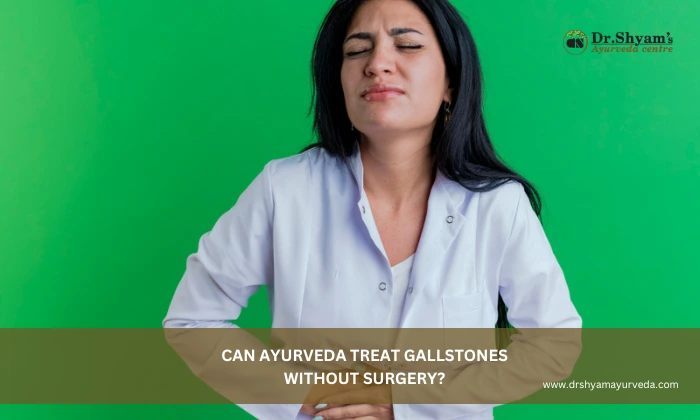
Gallstones are a common digestive health concern affecting millions of people worldwide. These hardened deposits form inside the gallbladder and can range in size from tiny grains to larger stones that cause significant discomfort. While conventional medicine often recommends surgery for symptomatic gallstones, many people explore natural and holistic options before considering surgical intervention.
This raises an important question: can Ayurveda treat gallstones without surgery?
Ayurveda, the traditional system of medicine that originated in India thousands of years ago, approaches gallstones differently from conventional medicine. Rather than focusing solely on the stones themselves, Ayurveda seeks to understand and address the underlying imbalances that contribute to their formation. Through personalized herbal medicines, dietary modifications, lifestyle changes, and detoxification therapies, Ayurveda aims to support gallbladder health, improve digestion, and promote overall wellbeing.
While the effectiveness of treatment depends on the size, number, and severity of gallstones, Ayurvedic treatment for gallstones may help manage symptoms, support healthy bile flow, and reduce factors that contribute to stone formation. Understanding the condition and receiving proper evaluation is essential before deciding on any treatment approach.
What Are Gallstones? Symptoms & Causes
Gallstones are solid deposits that develop inside the gallbladder, a small organ located beneath the liver. The gallbladder stores bile, a digestive fluid that helps break down fats. When the components of bile become imbalanced, stones can form over time.
Common Symptoms of Gallstones
Many people with gallstones may not experience symptoms initially. However, when stones block the flow of bile, symptoms can become noticeable and sometimes severe.
Common symptoms include severe abdominal pain, particularly after meals, nausea and vomiting, bloating and digestive discomfort, indigestion after consuming fatty foods, and pain in the upper right side of the abdomen. Some individuals may also experience discomfort radiating to the back or shoulder.
If left untreated in severe cases, gallstones can lead to inflammation, infection, or complications involving the liver and pancreas.
Causes of Gallstones According to Ayurveda
According to Ayurveda, gallstones are associated primarily with an imbalance of Pitta dosha, which governs digestion, metabolism, and the transformation of substances within the body.
When Pitta becomes aggravated due to poor dietary habits, excessive consumption of oily and spicy foods, stress, or irregular eating patterns, digestive function becomes disturbed. This weakened digestive fire, known as Agni, can result in the formation of Ama, a toxic metabolic residue that accumulates within the body’s channels.
Over time, impaired digestion, toxin accumulation, and disturbances in bile metabolism may contribute to the development of gallstones. Ayurveda therefore focuses on restoring digestive balance rather than addressing symptoms alone.
Can Gallstones Be Treated Without Surgery?
Whether gallstones can be treated without surgery depends largely on the severity of the condition.
Surgery is generally recommended when gallstones cause frequent attacks, severe pain, infection, inflammation, blockage of the bile ducts, or complications affecting nearby organs. In such situations, immediate medical intervention may be necessary.
However, not all gallstones require surgery. Some individuals have small stones that cause mild symptoms or are discovered incidentally during routine examinations. In these cases, natural treatment for gallstones may help support digestive health and symptom management.
It is important to understand that professional medical evaluation is essential before pursuing any alternative treatment. The size, location, and potential risks associated with gallstones must be assessed carefully.
How Does Ayurveda Treat Gallstones Naturally?
Ayurvedic treatment for gallstones focuses on improving digestion, balancing Pitta dosha, supporting liver and gallbladder function, and reducing toxin accumulation within the body.
Ayurvedic Medicines for Gallstones
Ayurvedic medicine for gallstones typically includes herbal formulations selected according to the individual’s constitution and health condition.
These herbs may help support healthy liver function, improve bile production and flow, enhance digestion, reduce inflammation, and assist the body’s natural detoxification processes. Since every patient is unique, herbal treatment for gallstones should always be prescribed by a qualified Ayurvedic physician.
Panchakarma for Gallstones
Panchakarma Treatment in Dubai plays an important role in Ayurvedic management of digestive and metabolic disorders.
Panchakarma therapies are designed to remove accumulated Ama from the body, improve digestive efficiency, and restore balance to the doshas. Through carefully supervised detoxification procedures, the body may experience improved digestion, better metabolic function, and enhanced overall health.
For patients with gallbladder concerns, Panchakarma for gallstones may be recommended as part of a comprehensive treatment plan based on individual assessment.
Diet and Lifestyle Changes
Diet and lifestyle form the foundation of gallbladder stones treatment Ayurveda.
Patients are encouraged to adopt eating habits that support digestion, maintain a healthy weight, avoid overeating, and reduce foods that aggravate Pitta. Regular physical activity, adequate hydration, stress management, and consistent meal timings are also important components of treatment.
Best Ayurvedic Herbs Used for Gallstones
Several herbs have traditionally been used in Ayurveda to support liver and gallbladder health.
Kutki
Kutki is highly regarded for its liver-supporting properties. It helps promote healthy bile secretion and supports detoxification processes within the body.
Triphala
Triphala is one of Ayurveda’s most widely used formulations. It supports digestion, promotes gentle detoxification, and helps maintain regular bowel function, all of which contribute to overall digestive health.
Punarnava
Punarnava is known for its detoxifying and rejuvenating properties. It supports healthy fluid balance and assists the body’s natural cleansing mechanisms.
Bhumyamalaki
Bhumyamalaki is traditionally used to support liver function and promote digestive wellbeing. It is often included in formulations aimed at maintaining hepatobiliary health.
Turmeric
Turmeric possesses powerful antioxidant and anti-inflammatory properties. It supports digestion, liver function, and overall metabolic balance while contributing to gallbladder health Ayurveda principles emphasize.
Foods to Avoid with Gallstones According to Ayurveda
Understanding foods to avoid with gallstones Ayurveda recommends is an important aspect of treatment.
Foods that may burden digestion and aggravate Pitta include fried foods, excessive oils, processed foods, heavy dairy products, sugary foods, refined carbohydrates, and overly spicy meals.
Reducing these foods can help decrease digestive stress and support healthier bile metabolism.
Ayurvedic Diet for Gallstones
An Ayurvedic diet for gallstones focuses on supporting digestive efficiency and reducing strain on the gallbladder.
Warm, freshly prepared meals are generally preferred because they are easier to digest. Fiber-rich foods such as vegetables, fruits, legumes, and whole grains support digestive function and healthy elimination.
Adequate hydration is also important. Drinking sufficient warm water throughout the day supports digestion and metabolic processes. Digestive herbs and spices such as cumin, coriander, fennel, and turmeric may be incorporated under professional guidance.
Benefits of Choosing Ayurvedic Treatment for Gallstones
Many patients choose Ayurvedic remedies for gallstones because of their holistic and individualized approach.
Ayurveda seeks to identify and address underlying digestive and metabolic imbalances rather than focusing exclusively on symptom relief. Treatment plans are tailored to the individual’s constitution, lifestyle, and health status.
Potential benefits include improved digestion, enhanced liver and gallbladder function, better metabolic balance, reduced digestive discomfort, and overall improvements in wellbeing.
The emphasis on long-term health and prevention makes Ayurveda an appealing option for many individuals seeking natural remedies for gallstones.
When Should You Seek Medical Attention for Gallstones?
Although natural treatment approaches can be beneficial in certain cases, immediate medical attention is necessary when symptoms become severe.
You should seek professional medical care if you experience intense abdominal pain, fever, chills, jaundice, persistent vomiting, or repeated gallstone attacks. These symptoms may indicate complications that require urgent evaluation.
Ayurveda can complement overall health management, but emergency symptoms should never be ignored.
Gallstones Treatment in Dubai – Dr. Shyam Ayurveda
At Dr. Shyam Ayurveda, a leading Ayurvedic clinic in Dubai, gallstones treatment Ayurveda Dubai is approached through personalized care rooted in authentic Kerala Ayurvedic principles.
Each patient undergoes a detailed consultation to assess digestive health, dosha balance, lifestyle factors, and the severity of the condition. Based on this evaluation, a customized treatment plan may include herbal formulations, dietary guidance, lifestyle modifications, and Panchakarma therapies where appropriate.
The goal is to support gallbladder health, improve digestion, and promote overall wellbeing through safe and natural methods.
Why Choose Dr. Shyam Ayurveda Clinic?
Patients choose Dr. Shyam Ayurveda because of its commitment to authentic Ayurvedic care and personalized treatment.
The clinic offers experienced Ayurvedic practitioners, customized treatment protocols, safe and time-tested therapies, patient-focused care, and a holistic approach that addresses the root causes of health concerns rather than simply managing symptoms.
With a strong foundation in traditional Kerala Ayurveda, patients receive comprehensive guidance designed to support long-term health and wellness.
Conclusion
So, can Ayurveda treat gallstones without surgery?
The answer depends on the severity and nature of the condition. While Ayurveda may not replace surgery in cases involving serious complications, it can play a valuable role in supporting gallbladder health, improving digestion, managing symptoms, and addressing underlying imbalances that contribute to gallstone formation.
Because every case is different, professional assessment is essential before beginning treatment. A personalized approach ensures that care is both safe and appropriate for the individual’s condition.If you are looking for expert guidance on natural gallstones management, Dr. Shyam Ayurveda Clinic in Dubai offers personalized Ayurvedic consultations and treatment plans designed around your unique health needs.
Discover how authentic Ayurvedic care can support your digestive health and overall wellbeing through a comprehensive and individualized approach.
FAQs
Can Ayurveda cure gallstones without surgery?
Ayurveda may help manage certain cases of gallstones without surgery by improving digestion, supporting healthy bile flow, and addressing underlying imbalances that contribute to stone formation. While Ayurveda does not guarantee that all gallstones can be cured naturally, ayurvedic treatment for gallstones may help reduce symptoms, improve gallbladder function, and support overall digestive health. The effectiveness of treatment depends on the size, number, and severity of the gallstones, making professional evaluation essential.
What is the best Ayurvedic treatment for gallstones?
The best gallstones ayurvedic treatment is always personalized based on the individual’s constitution, symptoms, and overall health. Treatment may include Ayurvedic medicines, dietary modifications, lifestyle changes, and Panchakarma for gallstones when appropriate. The goal is to improve digestion, eliminate Ama (toxins), support liver and gallbladder function, and restore doshic balance for long-term digestive wellness.
Can gallstones dissolve naturally with Ayurveda?
Some individuals explore natural treatment for gallstones through Ayurveda to support the body’s natural healing processes. Ayurvedic therapies focus on improving bile metabolism, reducing digestive imbalances, and promoting gallbladder health. While some small gallstones may respond to long-term dietary and lifestyle interventions, results vary significantly between patients. A thorough medical assessment is important before relying on any natural remedies for gallstones.
Which herbs are used in Ayurvedic treatment for gallstones?
Several herbs are traditionally used in herbal treatment for gallstones and gallbladder support. Commonly used herbs include Kutki, Triphala, Punarnava, Bhumyamalaki, and Turmeric. These herbs may help support liver function, improve digestion, promote healthy bile flow, and reduce inflammation. The most suitable ayurvedic medicine for gallstones should always be prescribed by a qualified Ayurvedic practitioner based on individual needs.
Is Panchakarma effective for gallstones?
Panchakarma for gallstones may be beneficial in selected cases as part of a comprehensive Ayurvedic treatment plan. Panchakarma therapies help remove accumulated Ama, improve digestive strength (Agni), and support healthy liver and gallbladder function. When performed under professional supervision, Panchakarma can complement other aspects of gallbladder stones treatment Ayurveda and contribute to improved digestive health.
What foods should be avoided with gallstones?
According to foods to avoid with gallstones Ayurveda guidelines, individuals should limit fried foods, excessive oils, processed snacks, heavy dairy products, sugary foods, refined carbohydrates, and fast food. These foods may aggravate digestive imbalances and place additional strain on the gallbladder. An Ayurvedic practitioner can provide personalized dietary recommendations based on your specific condition.
Can small gallstones be treated without surgery?
In some cases, small gallstones with mild or no symptoms may be managed through lifestyle changes, dietary modifications, and natural remedies for gallstones. However, whether gallstones can be treated without surgery depends on factors such as stone size, symptoms, and the risk of complications. Regular monitoring and professional medical guidance are important to ensure safe and effective management.
How long does Ayurvedic treatment take for gallstones?
The duration of ayurvedic treatment for gallstones varies depending on the patient’s condition, the severity of symptoms, and their response to treatment. Some patients may notice improvements in digestion and discomfort within a few weeks, while comprehensive treatment plans often continue for several months. Consistency with medication, diet, and lifestyle recommendations plays a significant role in achieving the best results.
Is Ayurvedic treatment safe for gallstones?
When prescribed and monitored by qualified practitioners, ayurvedic treatment for gallstones is generally considered safe. Treatments are customized according to the patient’s constitution and health status, helping ensure suitability and effectiveness. However, individuals with severe gallstone complications should seek immediate medical attention and discuss all treatment options with healthcare professionals.
Where can I get Ayurvedic treatment for gallstones in Dubai?
If you are looking for gallstones treatment Ayurveda Dubai, Dr. Shyam Ayurveda Clinic offers personalized Ayurvedic care based on authentic Kerala Ayurvedic principles. Treatment plans may include herbal medicines, dietary guidance, lifestyle recommendations, and Panchakarma therapies designed to support gallbladder health naturally. A consultation with an experienced Ayurvedic physician can help determine the most suitable approach for your condition.