Ayurveda is no longer confined to India. Across the UAE, from Dubai to Ajman, more and more people are turning to this ancient healing science for chronic conditions, hormonal imbalances, digestive issues, and overall health.
Across Ayurvedic clinics in Dubai, many patients share a genuine concern: “Does Ayurveda have side effects? Is it truly safe for me?”
It’s a fair and important question and one that deserves a clear, honest answer. In this blog, we break down everything you need to know about the safety of Ayurvedic medicine, when side effects can occur, and how to use Ayurveda correctly for long-term wellness.
What is Ayurvedic Medicine?
Ayurveda is a 5,000-year-old holistic healing system that originated in India. The term translates to “science of life” (Ayu means life and veda means science). It emphasizes maintaining balance among the body and mind to promote overall wellness and helps manage disease, largely by balancing the three bodily energies or doshas (Vata, Pitta, and Kapha).
Treatment in Ayurveda includes:
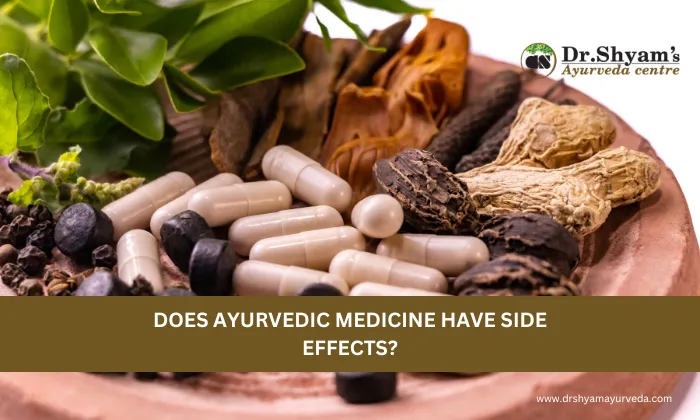
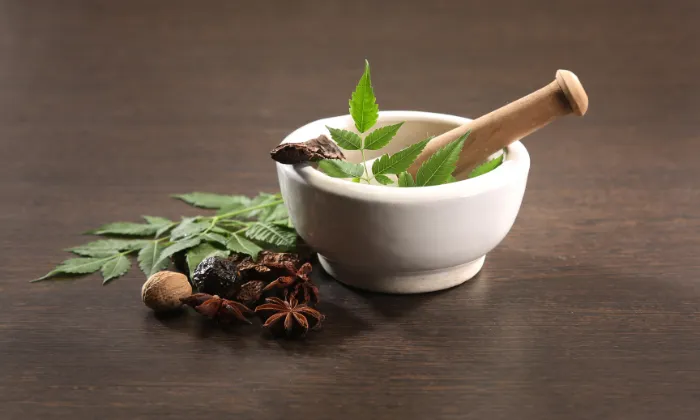
- Herbal medicines: Formulated from roots, leaves, bark, seeds, and minerals
- Dietary and lifestyle guidance: Customized to the individual’s prakriti (body constitution)
- Panchakarma detox therapies: Deep cleansing procedures to eliminate toxins
Unlike conventional medicine, which often follows a one-size-fits all, Ayurveda is deeply personalized. What works for one person may not be ideal for another and this is exactly where the discussion around side effects begins.
Does Ayurveda Have Side Effects?
Let’s be direct: Ayurveda is generally safe but it is not risk-free when misused.
The idea that “natural = harmless” is one of the most common misconceptions in healthcare. Even natural substances can cause reactions when taken in the wrong dose, by the wrong person, or without proper guidance.
The possibility of side effects from Ayurvedic medicine mainly depends on three important factors:
- Dosage: Ayurvedic herbs or formulations must be taken under the guidance of an Ayurvedic practitioner in correct dosage. If not, it can cause adverse effects.
- Quality of the medicine: Authentic, pharmaceutical-grade Ayurvedic preparations are carefully processed and tested. Substandard or counterfeit products, however, may carry contamination risks.
- Individual body type (Prakriti): Personalized diagnosis is non-negotiable in Ayurveda. For eg: a formulation designed for a Kapha imbalance could aggravate Pitta or Vata in someone with a different constitution.
Possible Side Effects of Ayurvedic Medicines
When Ayurveda is practiced correctly, side effects are rare. However, they can occur in certain situations:
- Improper Dosage: Exceeding the prescribed dose of medicines can lead to digestive discomfort, nausea, allergic reactions, or aggravation of existing conditions.
- Self-Medication Risks: Purchasing herbs from online stores or general pharmacies without a professional diagnosis can lead to mismatched treatments.
- Low-Quality or Non-Authentic Products: Not all products labelled “Ayurvedic” are genuine. The global supplement market is flooded with poorly processed, adulterated, or expired herbal products that don’t follow classical preparation standards.
- Heavy Metal Contamination (Rare Cases): Classical Ayurveda uses certain mineral-based formulations called Bhasmas (ash preparations that involve rigorous purification of metals like gold, iron, and mercury). In authentic clinical practice, these are safe and highly effective. However, unregulated or improperly processed products have shown elevated heavy metal levels. This is why choosing a certified, regulated Ayurvedic clinic is absolutely essential.
Why Ayurvedic Treatments Are Generally Safe
When practiced under qualified supervision, Ayurvedic treatments are generally safe. Here’s why:
- Personalized Treatment: Every Ayurvedic consultation begins with understanding your unique body constitution and current imbalance (Vikriti). No two patients receive the exact same treatment.
- Natural Ingredients: Ayurvedic medicines are rarely single-herb preparations. Classical formulations combine multiple herbs in specific ratios that enhance therapeutic action.
- Root Cause Healing: Ayurveda doesn’t suppress symptoms. It corrects the underlying imbalance. This approach naturally reduces the likelihood of rebound effects or dependency.
- Complementary Lifestyle Support: Ayurvedic treatment always includes diet, sleep, and daily routine (Dinacharya) guidance.
Ayurveda vs Siddha vs Unani – Safety Comparison
Patients in Dubai and Ajman often ask: Does Siddha medicine have side effects? Does Unani medicine have side effects? Let’s briefly clarify.
Traditional System | Origin | Core Philosophy | Safety When Practiced Correctly |
Ayurveda | India | Dosha balance, individualized treatment | Safe under expert guidance |
Siddha | South India (Tamil tradition) | Five elements, mineral-herb formulas | Safe under expert guidance |
Unani | Greco-Arabic tradition | Four humours (Akhlat) | Safe under expert guidance |
All three are time-tested traditional medical systems recognized by the Government of India (under AYUSH).
The key takeaway: all traditional systems are generally safe when prescribed by qualified practitioners and taken correctly. The risk rises sharply with self-medication, poor product quality, or lack of professional oversight.
How to Use Ayurvedic Medicine Safely
Whether you’re in Dubai, Ajman, or anywhere in the UAE, here are the non-negotiable safety rules for Ayurvedic treatment:
- Always consult a qualified Ayurvedic doctor: Avoid purchasing herbal supplements based on YouTube recommendations or friends’ advice. A trained Ayurvedic physician assesses your dosha, medical history, and current health before prescribing.
- Avoid self-medication: Even well-known herbs like Ashwagandha or Brahmi need professional guidance regarding dose and duration for your specific condition.
- Follow the prescribed dosage strictly: More is not better in Ayurveda. Stick to what your doctor recommends.
- Choose certified and authentic clinics : Look for clinics that are DHA approved and that source medicines from GMP-certified Ayurvedic manufacturers and follow classical treatment methods.
- Inform your doctor about modern medicines: If you’re currently on allopathic medication, your Ayurvedic doctor needs to know to avoid any herb-drug interactions.
- Be patient with the process: Ayurveda is a gradual healing system. Rushing dosages or switching treatments frequently undermines both safety and efficacy.
When Can Side Effects Occur?
To summarize the highest-risk scenarios for Ayurvedic side effects:
- Wrong Diagnosis: Treating the wrong dosha imbalance is like applying the wrong prescription glasses. The treatment itself isn’t harmful, but it won’t help and may create new imbalances.
- Mixing with Modern Medicine Without Guidance: Some herbs can potentiate or reduce the effect of pharmaceutical drugs. For example, herbs with blood-thinning properties need careful coordination with anticoagulant medications.
- Overuse of Strong Herbal Formulations: Long-term, unsupervised use of potent Ayurvedic formulations (like those for arthritis, liver disorders, or neurological conditions) without periodic review can strain the liver or kidneys in predisposed individuals.
- Using Expired or Improperly Stored Medicines: Herbal medicines degrade. Using products past their shelf life or improperly stored can render them ineffective or mildly toxic.
Benefits of Ayurvedic Medicine
When Ayurveda is practiced the right way, its benefits are profound and wide-ranging:
- Natural Healing Without Dependency: Unlike many conventional drugs, Ayurvedic medicines are not habit-forming. Conditions like low back pain, knee pain, and joint pain can often be managed and resolved without lifelong medication.
- Holistic Wellness: Ayurveda improves digestion, sleep quality, immunity, mental clarity, and skin health simultaneously, because it treats the whole person, not a single symptom. Patients undergoing treatment for acidity and indigestion or skin problems often report improvements in energy and mood as well.
- Effective for Chronic Conditions: Ayurveda excels where modern medicine often struggles: chronic, lifestyle-driven conditions like PCOS and hormonal imbalance, infertility, sleep apnea, migraine, and anal fissures.
- Safe for the Whole Family: Including during sensitive phases like pregnancy when carefully supervised by a qualified practitioner.
- Long-Term Results: Ayurveda’s root-cause approach means results are more durable. Rather than managing symptoms indefinitely, the goal is genuine correction of the underlying imbalance.
Ayurvedic Treatment in Dubai – Dr. Shyam Ayurveda
At Dr. Shyam Ayurveda, our team of experienced Ayurvedic physicians brings authentic Kerala-style Ayurveda to patients across Dubai and Ajman. Here’s what makes our approach safe and effective:
- Expert Doctors: Our physicians are trained in traditional Ayurvedic institutions and have years of clinical experience diagnosing and treating complex conditions using time-tested protocols.
- Authentic, Certified Medicines: We source all medicines exclusively from GMP-certified Ayurvedic manufacturers. Every formulation meets quality and purity standards.
- Personalized Treatment Plans: Every patient receives a thorough consultation that includes dosha assessment, medical history review, and lifestyle evaluation before any treatment begins.
- Deep Detox with Panchakarma: Our Panchakarma Treatment in Dubai is a cornerstone of safe, effective Ayurvedic healing. This classical five-fold detox therapy eliminates accumulated toxins (Ama) from deep tissues and reduces the risk of recurrence of diseases.
- Integrated Care: We consider your existing medications, dietary habits, and lifestyle when planning treatment, ensuring safety and compatibility at every step.
Whether you’re seeking natural treatment for belly fat or looking to manage a complex chronic condition, Dr Shyam’s Ayurveda clinic in Dubai and Ajman is equipped to offer you safe, supervised Ayurvedic care.
Conclusion
So, does Ayurveda have side effects? The honest answer is: very rarely, when practiced correctly and significantly more often when it isn’t.
Ayurveda is one of the world’s safest healing systems when:
- You consult a qualified Ayurvedic doctor
- Treatment is personalized to your body constitution
- You use certified, authentic medicines
- You follow prescribed dosages and durations
- You maintain open communication between your Ayurvedic and allopathic physicians
The risks are not inherent to Ayurveda itself. They arise from misuse, self-medication, and poor-quality products. When practiced authentically, Ayurveda is not only safe but deeply transformative.
If you’ve been curious about Ayurveda but hesitant about safety, the best next step is simply to consult a qualified practitioner. Let an expert guide you and experience the difference that personalized Ayurvedic care can make.
Book Your Ayurvedic Consultation Today
Don’t let unanswered questions keep you from experiencing the healing power of Ayurveda.
Visit Dr. Shyam Ayurveda Clinic in Dubai and get safe, authentic, personalized Ayurvedic treatment from our expert doctors.
WhatsApp us today to book your consultation and take the first step toward holistic health.
FAQ Questions
Do Ayurvedic medicines have side effects?
Ayurvedic medicines can cause side effects when taken in incorrect doses, without proper diagnosis, or when sourced from unregulated manufacturers. When prescribed by a qualified Ayurvedic doctor and taken as directed, side effects are rare
.
Is Ayurveda completely safe for everyone?
Ayurveda is generally safe for most people, but it must be personalized to the individual’s body type (Prakriti) and health condition. Pregnant women, children, and those on chronic medication should always consult a qualified Ayurvedic physician before starting any treatment.
Can Ayurvedic medicine cause harm if taken incorrectly?
Yes. Like any medicine, Ayurvedic formulations can be harmful if taken in excess, for the wrong condition, or without professional guidance. Self-medication is the most common cause of adverse reactions in Ayurveda.
Why do some people experience side effects from Ayurveda?
Side effects in Ayurveda most commonly occur due to self-medication, incorrect diagnosis, poor-quality products, or failure to account for herb-drug interactions with modern medicines.
Are Ayurvedic medicines safer than modern medicines?
Ayurvedic medicines typically have fewer and less severe side effects than many drugs, especially for long-term use. However, safety depends on the quality of the medicine and the expertise of the prescribing doctor.
Does Siddha medicine have side effects?
Siddha medicine, like Ayurveda, is generally safe when prescribed and administered by a trained Siddha practitioner. Mineral-based Siddha formulations require rigorous purification; when prepared correctly, they are safe and highly effective.
Does Unani medicine have side effects?
Unani medicine is safe under expert supervision. As with all traditional medical systems, the risks increase with self-medication, incorrect dosage, or use of substandard products.
Can I take Ayurvedic medicine without consulting a doctor?
We strongly advise against it. Even over-the-counter Ayurvedic products can interact with your body constitution or existing medications in unexpected ways. A professional consultation is always the safest starting point.
What precautions should I take before using Ayurveda?
Consult a qualified Ayurvedic doctor, disclose all existing medical conditions and medications, choose a certified clinic, and avoid self-diagnosing or self-medicating based on online sources.
Is Ayurvedic treatment safe for long-term use?
Yes. Ayurvedic treatments are designed for long-term use without dependency or harmful reaction. Regular monitoring by your Ayurvedic doctor ensures the treatment evolves as your body heals and changes.