Key Takeaways
- Ayurvedic treatment for skin focuses on balancing doshas (the body’s biological energies: Vata, Pitta, and Kapha), improving digestion, and removing toxins to address the root cause of skin problems.
- Common conditions such as acne, eczema, dryness, and pigmentation are managed through a combination of herbal remedies, therapies, and lifestyle modifications.
- Daily routines and a balanced diet play a key role in maintaining clear, healthy, and naturally glowing skin.
- Personalized Ayurvedic care helps achieve long-term skin health safely, rather than temporary relief from symptoms.
Understanding Skin Health in Ayurveda
Skin is an important organ in the body that protects the body from UV radiation, injuries, and heat; controls body temperature; and produces Vitamin D. Ayurveda describes skin as Twak, which covers the whole body. The vitality of skin is maintained by Rakta Dhatu, and the appearance of the skin is dependent on the characteristics of Rakta and Shukra.
The colour, thickness, texture, and glow of skin are determined by an individual’s unique body constitution, known as Prakriti (a concept in Ayurveda describing a person’s natural physical and mental characteristics). Therefore, the skin care routine varies depending on the Prakriti of an individual. It includes:
- Vata Prakriti: Dry and uneven-toned, rough, prone to fine lines and wrinkles. Thin texture with fine pores and thin cracked skin.
- Pitta Prakriti: Extremely prone to getting tanned as it is sensitive. Soft, warm, moist (slight wrinkle moles, acne), and medium thickness.
- Kapha Prakriti: Thick oily skin is less likely to wrinkle with an abundance of sebum production, which tends to lead to clogged pores.
When these doshas are balanced, the skin looks clear and healthy. But an imbalance can lead to different skin problems.
Common Skin Problems Addressed in Ayurveda
The common skin conditions explained in Ayurveda include:
- Acne: Acne vulgaris is the formation of comedones, papules, pustules, nodules, or cysts as a result of obstruction and inflammation of pilosebaceous units. It is commonly seen in juveniles and adolescents. According to Ayurveda, acne is referred to as Mukhadhushika, which is caused by the vitiation of Vata and Kapha doshas, and Rakta dhatu, featuring pimples on the face, along with pain.
- Eczema: Eczema is characterized by dry, itchy skin with areas of poorly demarcated erythema and scale. In the acute phase, eczema may be vesicular and oozing. In the chronic phase, it may become hyperpigmented and lichenified (thickened). Scratch marks are frequently seen. According to Ayurveda, eczema can be correlated with Vicharchika and presents with symptoms, including severe itching, inflammation, redness, profuse discharge, dryness, and pain.
- Rosacea: Acne rosacea is a chronic inflammatory skin condition that affects the face, causing redness, visible blood vessels, small bumps, and sensitivity. According to Ayurveda, rosacea can be correlated to conditions arising from Pitta aggravation, with the involvement of Rakta (blood) along with the association of Vata and Kapha doshas.
- Psoriasis: Psoriasis is a chronic, autoimmune skin disorder characterized by rapid skin cell proliferation resulting in scaling, inflammation, and redness. According to Ayurveda, psoriasis can be closely related to the condition known as Kitibha or Ekakustha. It is primarily caused by an imbalance of the Vata and Kapha doshas.
- Dry Skin: Usually caused by Vata imbalance. The skin may feel rough, flaky, and dehydrated.
- Oily Skin: Oily Skin occurs due to Kapha dominance, causing imbalance.
You may also like: Ayurvedic Treatment for Infertility in Females
Ayurvedic Treatment for Skin
Ayurvedic treatment for skin problems combines Panchakarma therapies, herbal formulations, diet, and lifestyle modifications to eliminate toxins, pacify aggravated doshas, and restore the skin’s natural equilibrium.
Ayurvedic Therapies for Skin Problems
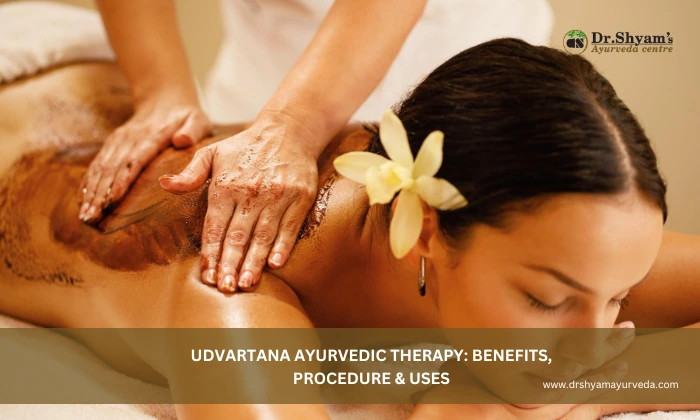
- Abhyanga: Abhyanga refers to massaging one’s own body using warm oil. increase circulation, detoxify the skin, and facilitate relaxation.
- Lepam: Lepam is a thick herbal poultice made up of water-infused herbs. It helps soothe inflammation, reduces swelling, soothes irritation, and enhances healing.
- Garshana: Garshana is a traditional Ayurvedic dry brushing technique using raw silk or linen gloves (or brushes) to stimulate blood circulation, exfoliate dead skin cells, and improve lymphatic drainage.
- Takradhara: Takradhara helps alleviate inflammatory skin conditions by reducing Pitta-related heat and irritation and is beneficial in conditions, including eczema and rosacea.
- Panchakarma Therapies: Panchakarma therapies such as Virechana (therapeutic purgation), Rakta Mokshana (bloodletting), and Basti (medicated enemas) help balance the vitiated doshas and support long-term healing.
Ayurvedic Herbs for Skin Health
- Neem: Known for its antibacterial, antifungal, anti-inflammatory, and detoxifying properties, neem helps manage acne, eczema, cleanse the blood, and reduce inflammation.
- Aloe Vera: Widely used for its cooling properties, aloe vera is effective in managing sunburn, rashes, and other inflammatory conditions.
- Turmeric:Known for its antioxidant, anti-inflammatory, and antimicrobial properties, turmeric helps reduce redness and irritation, brighten the skin, and help heal scars.
- Manjistha: Manjistha helps detoxify the blood, reduces inflammation, and supports healthy skin.
- Sandalwood: Known for its cooling properties, sandalwood balances Pitta dosha, enhances skin tone and texture.
You may also like: Ayurvedic Knee Treatment
Daily Routines for Clear Skin
Ayurveda highlights the importance of a consistent daily routine, as the body functions best with regular patterns. Some simple practices for healthy skin include:
- Waking up early: Helps maintain hormonal balance and supports natural detox processes.
- Drinking warm water in the morning: Aids digestion and helps clear waste from the body
- Oil pulling: May reduce oral bacteria and support overall health
- Eating meals on time: Supports proper digestion and prevents toxin buildup
- Having a light dinner: Allows the body to focus on repair and skin renewal during sleep.
Ayurvedic Diet for Skin Health
- Fruits: Papaya, grapes, and pomegranate help support collagen production and reduce oxidative stress. They also help balance Pitta, which may reduce acne.
- Vegetables: Leafy greens, carrots, pumpkin, and beetroot support liver function and natural detoxification, which is important for clear skin.
- Healthy Fats: Almonds, walnuts, flaxseeds, cow’s ghee, and sesame seeds help nourish skin tissues and improve elasticity.
- Whole Grains: Millets, oats, and brown rice help maintain stable blood sugar levels, which play a role in controlling acne.
- Spices: Turmeric, cumin, coriander, and fennel support digestion and help reduce inflammation, as shown in clinical studies.
You may also like: Ayurvedic Treatment for Sleep Apnea
Final Thoughts
Ayurvedic treatment for skin focuses on healing from within by balancing doshas, improving digestion, and using natural therapies and herbs. This holistic approach not only helps manage conditions like acne, eczema, and dryness but also supports long-term skin health and glow. With the right routine, diet, and personalized care, healthy skin becomes sustainable rather than temporary.
At Dr. Shyam’s Ayurveda, treatments are tailored to your unique body type and concerns, ensuring safe and effective results. Consult an Ayurvedic expert today to begin your journey towards naturally clear, healthy, and radiant skin.
Educational Disclaimer: This article is for educational purposes only and does not replace medical advice. Treatment results may vary. Please consult a qualified Ayurvedic doctor or healthcare professional before starting any treatment.
FAQs
How long does Ayurvedic treatment for skin take to show results?
Ayurvedic treatment works by addressing the root cause, so results may take time and depend on the individual’s condition and consistency. With regular routine, diet, and therapies, gradual and long-lasting improvement can be seen.
Is Ayurvedic treatment safe for sensitive skin?
Yes, Ayurvedic treatments use natural herbs and gentle therapies, making them suitable for sensitive skin. Treatments are usually personalized based on body type to ensure safety and effectiveness.
Can Ayurveda permanently cure skin allergies?
Ayurveda focuses on balancing doshas and improving internal health, which helps reduce the recurrence of skin allergies. While results vary, it supports long-term management rather than temporary relief.
Do I need Panchakarma for every skin problem?
No, Panchakarma is recommended only in certain cases where deeper detoxification is needed. Many skin concerns can be managed with diet, routine, herbs, and external therapies alone.