
Tennis Elbow Treatment in Ayurveda
Tennis Elbow is a painful condition caused by repetitive wrist and forearm movements, leading to inflammation and stiffness around the elbow. While modern treatments may offer temporary relief, Ayurvedic treatment for Tennis Elbowfocuses on addressing the root cause by balancing Vata Dosha and restoring tendon health naturally.
At Dr. Shyam’s Ayurveda in Dubai, personalized therapies such as Panchakarma, herbal oil applications, and medicated compresses help reduce pain, improve flexibility, and promote long-term healing. If you’re seeking an effective, natural, and holistic Ayurvedic treatment in Dubai, Dr. Shyam’s Ayurveda provides a safe and proven approach to lasting relief.
What is Tennis Elbow?
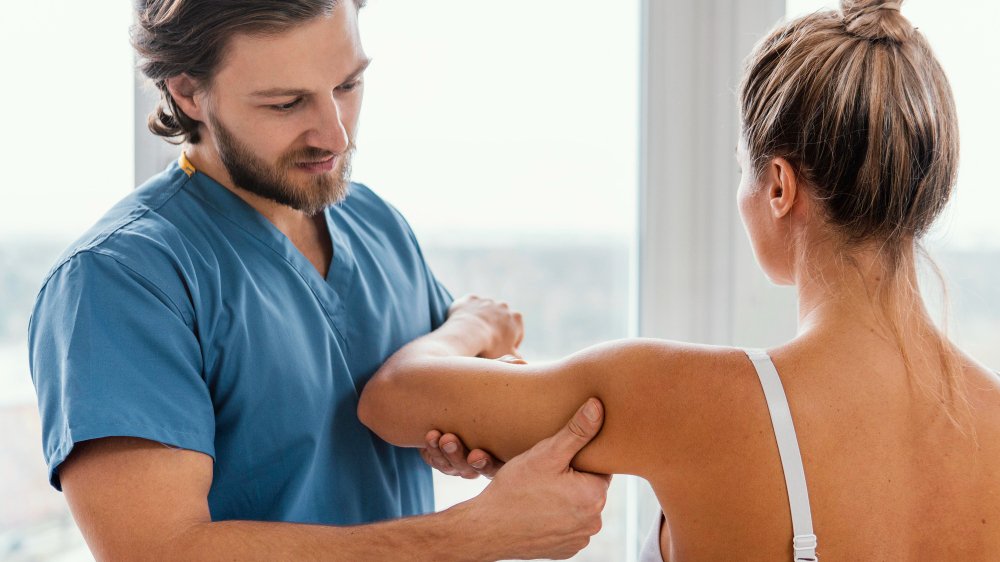
Lateral Epicondylitis, commonly known as Tennis Elbow, is a painful condition that occurs due to overuse or strain of the muscles and tendons around the outer part of the elbow. It mainly affects people who repeatedly perform wrist and forearm movements, including athletes and professionals like typists, painters, or manual workers.
Lateral Epicondylitis is more commonly seen in individuals over the age of 40. Risk factors include smoking, obesity, repetitive wrist or forearm movements for more than two hours a day, and engaging in strenuous activities involving loads greater than 20 kg.
Symptoms
Tennis Elbow typically develops gradually, with symptoms worsening over time. Common signs and symptoms include:
- Pain or burning on the outer side of the elbow that may radiate down the forearm.
- Tenderness over the lateral epicondyle when touched or pressed.
- Weak grip strength, especially when shaking hands, lifting objects, or holding a cup.
- Stiffness in the elbow joint, particularly in the morning.
- Pain that worsens with wrist extension, gripping, or twisting movements (like turning a doorknob or opening a jar).
Causes and Risk Factors
Tennis Elbow develops when the muscles and tendons around the elbow are repeatedly strained, leading to small tears and inflammation. While commonly linked to sports, it can affect anyone whose daily activities involve repetitive arm and wrist movements. The causes and risk factors for tennis elbow include:
- Overuse injuries: Repetitive actions such as wrist extension, gripping, or lifting with improper technique place continuous stress on the forearm muscles and the ECRB tendon. Over time, this leads to microtears, inflammation, and pain around the lateral epicondyle.
- Occupational risks: People whose jobs involve repetitive arm use are at higher risk. Professions such as painters, plumbers, cooks, carpenters, and assembly-line workers often involve continuous hand and wrist motion, predisposing them to tennis elbow.
- Sports-related risks: Although the name suggests otherwise, Tennis Elbow can occur in various sports. Activities like tennis, golf, baseball, and throwing or pitching sports involve repetitive arm movements that can strain the elbow tendons if done with poor form or excessive force.
- Age: Individuals aged 30 years and above have a higher likelihood of developing tennis elbow, with the risk increasing significantly after the age of 40.
- Direct trauma: An injury caused by a blow, collision, or fall directly onto the elbow can also contribute to the development of tennis elbow.
- Other contributing factors: Factors such as poor muscle strength, lack of flexibility, improper training methods, or even gradual wear and tear without any clear cause (insidious onset) can contribute to the development of tennis elbow.
Ayurvedic Understanding of Tennis Elbow
In Ayurveda, tennis elbow is closely correlated with the condition known as Snayugata Vata, a disorder where the vitiated Vata Dosha affects the snayu (ligaments and tendons) and sandhi (joints), resulting in pain, stiffness, and restricted movement in the elbow and forearm.
Vata Dosha governs all forms of movement and neuromuscular activity in the body. When Vata becomes aggravated due to factors such as overuse of the joint (Atichesta), excessive physical activity (Ativyayam), improper posture, repetitive strain, poor dietary habits, or exposure to cold and dry climates, it localizes in the Kurpara Sandhi (elbow joint) and disrupts its normal function, leading to pain, tenderness, stiffness, and limited motion in the elbow and forearm (Hasta Pradesha). In some cases, Kaphavrita Vyana Vayu (a state where Vata’s flow is obstructed by Kapha) further aggravates the condition, intensifying symptoms such as heaviness, swelling, and restricted flexibility.
Ayurveda views tennis elbow not merely as a localized tendon injury but as a systemic imbalance of Vata, emphasizing the need for holistic correction through Vata-pacifying therapies, external treatments, and lifestyle modifications.
Ayurvedic Treatments for Tennis Elbow
The tennis elbow treatment in Ayurveda includes:
External Therapies:
- Abhyanga (Medicated oil massage): Massage with warm medicated oils, such as Mahanarayan Taila, Dhanwantharam Taila, or Kottamchukkadi Taila, can help reduce pain and inflammation, increase circulation, and relieve muscle stiffness.
- Pinda Sweda (or Kizhi): This therapy involves massaging the elbow with warm, medicated herbal or rice boluses (potli).
- Patra Pinda Sweda: Uses herbal leaves to relieve pain.
- Shastika Shali Pinda Swedam: Uses a bolus of rice and milk to nourish and strengthen the elbow’s tendons.
- Swedana: Herbal steam therapy helps improve circulation and reduce stiffness.
- Lepam: Applying a medicated herbal paste can soothe inflammation and reduce pain.
- Pichu: A medicated, oil-soaked bandage is applied and left over the affected elbow joint.
- Agnikarma: Therapeutic cauterization helps provide instant pain relief by reducing inflammation and muscle spasms.
Internal Medicines:
- Dashamoolarishta: Helps relieve inflammation
- Balarishta: Soothes nerves and strengthen tendons
- Yogaraja guggulu: Commonly used in joint pain conditions
- Ashtavarga Kashaya: Reduces pain and balances Vata
- Gokshuradi guggulu: Balances Vata dosha
Disclaimer: Always consume Ayurvedic medications under the guidance of a registered Ayurvedic practitioner.
Physical Support and Exercises
Along with Panchakarma treatment and internal medications, physical support and exercises play a crucial role in managing and preventing Tennis Elbow. Incorporating supportive devices and targeted exercises helps reduce strain, improve flexibility, and restore normal function. It includes:
Physical Support
Brace:
Using a counterforce brace around the forearm helps reduce strain on the injured tendon by distributing pressure away from the lateral epicondyle. This can ease pain during daily activities.
Splint:
A wrist splint can help keep the wrist in a neutral position, minimizing stress on the forearm muscles and supporting the healing process.
Stretching Exercises
Gentle stretching helps restore flexibility and reduces stiffness in the forearm.
Wrist Extensor Stretch:
- Extend your affected arm straight with the palm facing down.
- Use your other hand to gently bend the wrist downward toward your body.
- Hold for 30–45 seconds and repeat 3 times.
Towel Twist:
- Hold a rolled-up towel with both hands.
- Twist it as if wringing out water, hold for 5 seconds, then relax.
- Repeat 10 times in each direction.
Strengthening Exercises
These exercises improve muscle strength and tendon endurance to prevent future flare-ups.
Resisted Wrist Extension:
- Secure a resistance band under your foot and hold the other end with your palm facing down.
- Lift your wrist upward, hold briefly, then slowly lower it over 3 counts.
- Perform 10–20 repetitions twice daily. A light dumbbell may also be used.
Resisted Wrist Curl (Palm Up):
- Rest your forearm on a flat surface, holding a light weight with your palm facing upward.
- Lift the weight toward the ceiling, then lower it slowly.
- Repeat 10 times for 3 sets.
Important Considerations
- Always start with light resistance and gradually increase intensity as strength improves.
- Stop immediately if you experience sharp or worsening pain.
- For persistent or severe symptoms, seek guidance from a qualified healthcare or physical therapy professional to ensure safe and effective recovery.
Home Remedies and Lifestyle Tips
Certain home remedies and lifestyle adjustments can significantly aid recovery from Tennis Elbow and prevent its recurrence. These approaches help reduce inflammation, improve circulation, and support natural healing of the tendons and muscles around the elbow.
Home Remedies
Warm herbal oil packs: Applying warm castor leaves (Eranda patra) or Nirgundi (Vitex negundo) leaves infused with herbal oils can help relieve pain and stiffness.
- Herbal oil massage: Regular gentle massage using Eranda Taila (Castor Oil) mixed with Sarshapa Taila (Mustard Oil) reduces inflammation and Vata aggravation.
- Use anti-inflammatory spices: Incorporate turmeric, ginger, and black pepper into your meals.
- Stay hydrated and follow a vata-pacifying diet: Include warm, freshly prepared meals rich in ghee, sesame, and cooked vegetables. Avoid cold, dry, or processed foods that can aggravate Vata Dosha.
Lifestyle Tips
- Minimize repetitive wrist and forearm movements, especially those involving lifting or twisting motions. Take frequent breaks during tasks that stress the elbow joint.
- Allow the affected arm sufficient rest to prevent further microtears in the tendon. Avoid lifting heavy weights or overexerting the muscles during recovery.
- Maintain proper posture while working at a desk or performing manual tasks. Ensure that your keyboard and mouse are positioned comfortably to reduce strain on the wrist and elbow.
- Always perform gentle stretching and warm-up exercises before engaging in sports or physical work.
- Learn and practice correct techniques in sports such as tennis, golf, or badminton to prevent improper wrist and elbow mechanics.
- Maintain optimal body weight.
Prevention of Tennis Elbow
- Minimize repetitive wrist and forearm movements to reduce overuse injuries.
- Strengthen the forearm, shoulder, and wrist muscles through regular stretching and conditioning exercises.
- Maintain proper ergonomic posture during work and daily activities.
- Use supportive braces or straps during sports or repetitive tasks to offload stress from the tendons.
- Always warm up and stretch before engaging in physical or sports activities.
- Avoid sudden increases in activity intensity or workload.
- Recognize early symptoms such as mild elbow pain or stiffness and seek timely treatment to prevent worsening.
At Dr. Shyam’s Ayurveda, we combine traditional Ayurvedic healing with modern insights to offer effective and personalized tennis elbow treatment. Our therapies focus on restoring balance, reducing pain, and strengthening the affected tendons for long-term relief. Through expert Ayurveda Consultation in Dubai, each treatment plan is customized to your body type, lifestyle, and severity of the condition. Rediscover pain-free movement and natural healing with authentic Ayurvedic care at Dr. Shyam’s Ayurveda.
FAQS
1. How long does Ayurveda treatment for tennis elbow take?
The duration of Ayurvedic treatment for tennis elbow varies based on the severity of the condition and individual response to therapy. Most patients notice improvement within a few weeks of starting treatments. Consistent therapy, lifestyle changes, and guided exercises ensure long-term recovery and prevent recurrence.
2. Can tennis elbow heal completely with Ayurvedic therapy?
Ayurveda can provide long-term relief from tennis elbow with the right combination of Ayurvedic therapies, herbal formulations, and lifestyle modifications. Ayurveda addresses the root cause by balancing Vata Dosha and restoring tendon strength and flexibility. Regular follow-up and preventive care help maintain lasting relief without dependency on painkillers.
3. Are there side effects of Ayurvedic medicines for tennis elbow?
When taken under the guidance of a qualified practitioner, Ayurvedic medicines for tennis elbow are safe and free from harmful side effects. They are formulated from natural herbs that support healing, reduce inflammation, and strengthen joints. However, self-medication is not advised, and professional consultation ensures the right dosage and combination for each individual.
4. Can golfers also benefit from tennis elbow Ayurvedic treatment?
Absolutely. Ayurvedic treatment for tennis elbow benefits not only tennis players but also golfers and individuals performing repetitive wrist or forearm movements. By reducing inflammation, strengthening tendons, and improving joint mobility, Ayurveda provides lasting relief for all forms of lateral elbow strain.