Key Takeaways
- Chickenpox (Varicella), known as Masurika or Laghu Masurika in Ayurveda, is caused by vitiation of doshas (especially Pitta and Kapha) and affects skin and blood tissues.
- Ayurvedic treatment aims to pacify aggravated doshas, purify blood (Rakta), support immunity, and soothe skin through herbal medicines, decoctions, topical pastes, baths, and therapeutic procedures.
- Along with herbal care, gentle external therapies, proper hygiene, a cooling diet, hydration, and rest are critical to avoid complications and scarring.
What Causes Chickenpox: Symptoms & Risk Factors
Chickenpox, also known as varicella, is a contagious disease caused by the varicella-zoster virus. It brings on an itchy, blister-like skin rash. The virus is responsible for chickenpox in individuals without prior immunity and for herpes zoster, which results from the reactivation of a latent infection. Chickenpox can spread rapidly among people who have neither experienced the illness nor received the varicella vaccine.
Chickenpox can spread through direct contact with the rash. It spreads through respiratory droplets released when an infected person coughs, sneezes, or talks, and through direct contact with the fluid from the blisters.
Common symptoms:
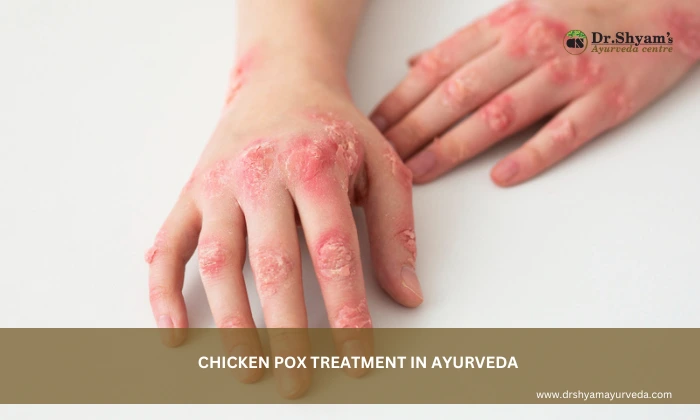
- Rash: A red, itchy rash that progresses through three stages: red bumps, fluid-filled blisters, and scabs. The rash can appear all over the body.
- Fever: Mild to moderate fever
- Headache
- Fatigue
- Malaise
- Body ache
- Loss of appetite
- Intense itching and skin discomfort
Risk factors
- Individuals who have not had chickenpox before or received the vaccine are at high risk as adults.
- Being in close physical proximity to someone with chickenpox increases the risk of infection.
- People with conditions that weaken the immune system, such as HIV/AIDS and cancer.
- Individuals undergoing chemotherapy or taking medications that suppress the immune system.
- Pregnancy
- Infants and adolescents
Read more: Acne Rosacea—Ayurvedic Management
Ayurvedic Perspective on Chickenpox
In Ayurveda, chickenpox is described as Masurika or Laghu Masurika, a contagious (Upasargaja) condition that arises from the vitiation of the Tridoshas, especially Pitta and Kapha, along with disturbances in Rasa (body fluids) and Rakta Dhatu (blood tissue). When the digestive fire (Agni) weakens and Ama (toxins) accumulates, the body becomes more prone to developing widespread skin eruptions. These internal imbalances manifest externally as fever, inflammation, burning sensation, and fluid-filled blisters characteristic of chickenpox.
Ayurvedic management focuses on pacifying the aggravated doshas, purifying the blood, reducing inflammation, and supporting the body’s natural healing process. Treatment includes Shamana Chikitsa (palliative therapy), detoxification when required, and the use of cooling, immune-boosting herbs that soothe the skin and promote faster recovery.
Herbal Medicines for Chickenpox Treatment
The commonly used herbal medicines in chickenpox treatment include:
- Neem: Cooling and antiviral, it helps prevent secondary infection and dry blisters and reduces itching.
- Turmeric: With its anti-inflammatory and antimicrobial properties, it reduces skin inflammation, helps with itching, and accelerates healing.
- Guduchi: With its detoxifying, immunomodulatory, and blood-purifying properties, it supports the body’s recovery and tissue healing.
- Paripathadi Kashaya: Helps pacify aggravated Kapha-Pitta, soothe skin eruptions, support digestion, and detox.
- External pastes and lepas using Neem, Sandalwood, turmeric: Applied over blisters to reduce burning, itching, irritation and prevent infection and scarring
Read more: Uterine fibroid—Ayurvedic Management
Panchakarma and Therapeutic Treatments
While many cases of chickenpox are managed with internal and external medicines, Ayurveda also recommends therapeutic procedures, especially in moderate to severe or recurrent cases:
- Vamana (Therapeutic Emesis): Especially when Kapha-Pitta imbalance and toxin accumulation are prominent, Vamana followed by cleansing therapies may be indicated.
- Gentle topical therapies (Lepas, medicated baths): Using neem decoction baths or turmeric or neem pastes can soothe skin, reduce itching, and prevent secondary infections.
Diet and Lifestyle Guidelines During Recovery
Diet and lifestyle play a critical role in easing symptoms, boosting immunity, and preventing complications or scars. Consider the following Ayurvedic‐inspired guidelines:
- Hydration: Drink plenty of water, coconut water, and herbal teas to avoid dehydration due to fever and blisters.
- Cooling, Pitta-pacifying diet: Include light, easily digestible foods such as rice, moong dal soup, stewed vegetables, and fresh coconut water. Avoid spicy, oily, fried, sour, or very hot foods.
- Avoid scratching: Keep nails clipped and wear soft mittens or gloves (especially at night) to prevent bursting blisters and reduce the risk of infection or scarring.
- Gentle baths: Use lukewarm or cool water and add a handful of fresh neem leaves, which may soothe itching and act as an antiseptic. Avoid harsh soaps or scrubbing.
- Rest & stress avoidance: Get enough rest and reduce mental stress. Gentle breathing or meditation may support mental health.
Read more: Ayurvedic Knee Treatment
Adult Chickenpox Care and Prevention
While chickenpox is often mild in children, adult cases can be more severe with higher risk of complications, and more intense skin involvement. For adults, following the Ayurvedic protocol becomes even more important:
- Early initiation of treatment can help reduce itching and pain quickly and avoid post-infection complications.
- Practice preventive hygiene, including isolation during active infection to avoid spread, maintaining a clean environment, and avoiding contact with others until blisters crust over.
- Use of rejuvenating herbs post-healing may support tissue repair and immunity.
Read more: Ayurvedic body type
Chickenpox may be a self-limiting infection, but proper care is essential to relieve discomfort and prevent complications. Ayurveda offers a holistic and natural approach that not only soothes itching and inflammation but also restores internal balance through herbal medicines, dietary guidance, and immune-supportive therapies.
If you are looking for authentic Ayurvedic treatment in Dubai backed by experienced physicians and personalized care, Dr. Shyam’s Ayurveda provides comprehensive support for managing chickenpox and post-infection healing. Our experts combine classical Ayurvedic principles with modern clinical expertise to create customized treatment plans that help you recover safely and comfortably.
For deeper detoxification, immunity enhancement, and long-term wellness, you can also explore our specialized Panchakarma treatment in Dubai. Begin your journey towards natural healing and complete recovery.
FAQs
1. Can chickenpox be treated entirely with Ayurveda?
Ayurveda offers strong symptomatic relief, skin healing, blood purification, and immune support. However, especially in severe cases, Ayurvedic treatment should ideally be combined with conventional care and under professional supervision.
2. What herbs are most effective for reducing chickenpox itching?
Neem (for cooling & antibacterial), Turmeric (anti-inflammatory), and gentle herbal pastes or decoctions (e.g., neem bath, neem or turmeric paste) are widely recommended for reducing chickenpox itching.
3. How long does it take to recover from chickenpox using Ayurvedic remedies?
Normally, papular skin lesions healed within 10–15 days, with significant relief from itching and pain within 2–3 days.
4. Are Ayurvedic treatments safe for adults with severe chickenpox?
Yes, Ayurvedic treatments are safe for adults with severe chickenpox when carried out under expert supervision, with appropriate detoxification, supportive care, and hygienic measures. Early intervention helps prevent complications and supports recovery.
5. How can I prevent chickenpox scars naturally?
Avoid scratching, maintain clean skin hygiene, use gentle neem or turmeric-based pastes or baths, keep skin moisturized, support healing with blood-purifying and rejuvenating herbs, and avoid harsh soaps. Over time, these measures help minimize scarring.
Doctor will decide the course of treatment and medicines. Contact Dr. shyam’s ayurveda treatment centre, Dubai & Ajman.