Key Takeaways
- Hyperhidrosis, or excessive sweating, occurs due to overactivity of the sympathetic nervous system and can be influenced by physical, emotional, or metabolic factors.
- Ayurveda correlates hyperhidrosis with Swedadhikya, primarily caused by vitiation of Pitta dosha, contamination of Sweda Vaha Srotas, and Medo Adhikya.
- Ayurvedic management focuses on balancing Pitta dosha, detoxifying the body, correcting Medo Dhatu, and calming the nervous system through herbal medicines, diet, and therapies.
- Effective Ayurvedic remedies include cooling herbs and formulations such as Ushira, Chandana, Sarivadyasava, and Usheerasava, along with lifestyle measures like yoga, meditation, and a Pitta-pacifying diet.
- Therapies, including Shirodhara, Virechana, Abhyanga, and Udwarthana, help eliminate body heat, reduce stress-induced sweating, and restore internal balance, providing holistic relief from hyperhidrosis.
Excessive sweating, or hyperhidrosis, can be both physically uncomfortable and emotionally distressing. While modern medicine offers temporary relief, Ayurveda provides a holistic and long-term approach by addressing the root cause of the condition. Through balancing body energies, detoxification, and lifestyle correction, Ayurvedic treatment for hyperhidrosis helps restore natural equilibrium. This blog explores the causes, symptoms, and effective Ayurvedic treatment in Dubai for managing hyperhidrosis naturally and improving overall well-being.
What is Hyperhidrosis? Understanding Excessive Sweating
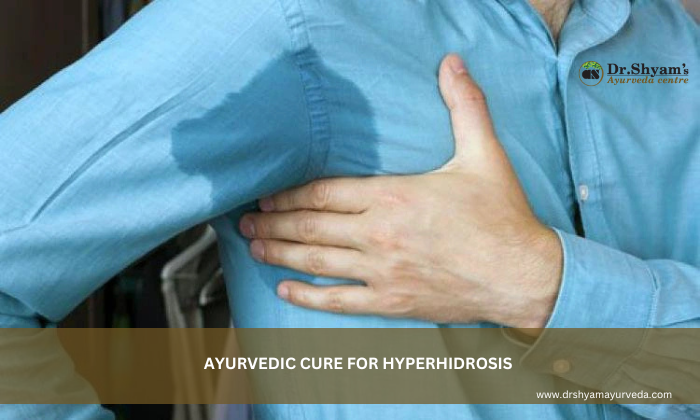
Hyperhidrosis is a medical condition of excessive sweating that exceeds the amount required for normal thermoregulatory functions of the body. The condition occurs due to the overstimulation of cholinergic receptors on eccrine glands. Eccrine glands are commonly seen in areas, including the axillae, palms, soles, and face; these areas are mostly associated with hyperhidrosis. It can result in emotional, psychological, social, and occupational impairment.
Hyperhidrosis can be classified into primary and secondary hyperhidrosis. The etiology of primary hyperhidrosis remains unknown and is often hereditary. Secondary hyperhidrosis is associated with certain medications, diseases, and neurologic conditions.
The main symptom of hyperhidrosis is sweating. When the individual is sweating, they may experience:
- Wetness in the skin
- Damp clothing
- Beads of fluid dripping from the forehead and cheeks
Over time, hyperhidrosis may give rise to the following clinical manifestations:
- Itching and inflammation may develop when sweat irritates the skin.
- Body odor can occur as bacteria on the skin interact with sweat particles.
- The skin on the feet may become cracked or start peeling.
The severity of hyperhidrosis symptoms can vary, ranging from mild and intermittent episodes to persistent symptoms that interfere with daily activities.
Read more: Acne Rosacea—Ayurvedic Management
Causes of Hyperhidrosis
Hyperhidrosis is caused by hyperactivity of the sympathetic nervous system, leading to excessive release of acetylcholine from the cholinergic nerve endings that innervate the eccrine sweat glands. This overstimulation triggers increased activation of muscarinic receptors, resulting in excessive sweating. The condition is thought to arise from an impaired negative feedback mechanism to the hypothalamus, causing the body to produce more sweat than required for normal thermoregulation during physical or psychological stress.
The conditions that trigger hyperhidrosis include:
- Emotions, including stress, anxiety, fear, or nervousness
- Humidity or warm temperature
- Physical activity or exercise
- Certain foods and beverages, including sugary and salty foods, caffeine, spicy foods, fatty foods, and alcohol
- Usage of certain medications
- Medical conditions, including acromegaly, diabetes, heart disease, hyperthyroidism, menopause, parkinson’s disease and obesity
In Ayurveda, hyperhidrosis can be correlated to Swedadhikya. ‘Swedha’ means sweat, and ‘adhikya’ means excess. This condition is not referred to as a separate disease but as a dominant feature of complex diseases in Ayurvedic classics. Individuals with a Pitta body constitution and those who are suffering from diseases of Pitta imbalance are prone to this condition.
According to Ayurveda, hyperhidrosis occurs due to the vitiation of Sweda Vaha Srotas, the channels that transport sweat to the skin surface. This disturbance may result from factors such as excessive physical activity, prolonged exposure to heat or sunlight, improper dietary habits, or intense emotions.
Another major cause is Medo Adhikya (excess fat accumulation), as mentioned in Charaka Samhita, where excessive sweating is associated with obesity and an imbalance of Medo Dhatu (fat tissue). Additionally, aggravation of Pitta dosha plays a key role, since sweat is one of Pitta’s primary expressions. When Pitta is heightened, it increases body heat and moisture, leading to Ati Sweda (excessive sweating). Charaka Samhita also classifies Ati Sweda under Nanatmaja Pitta Rogas, diseases caused solely by aggravated Pitta. Thus, hyperhidrosis in Ayurveda arises from disrupted Srotas, excess fat, and aggravated Pitta.
Ayurvedic Principles for Hyperhidrosis Treatment
Ayurvedic treatment for excessive sweating involves
- Balancing the vitiated Pitta dosha
- Correction of medho dhatu
- Management of stress and anxiety
- Stambahana Chikitsa
Read more: Uterine fibroid—Ayurvedic Management
Herbal Remedies and Natural Treatments for Hyperhidrosis
Ayurveda offers holistic and natural management of hyperhidrosis by balancing the body’s energies and addressing the root cause of excessive sweating. The following herbs and formulations are traditionally used for their cooling, antiperspirant, and sweat-regulating properties:
- Ushira: Acts as an antiperspirant and natural coolant; helps reduce sweating when taken as an infusion or powder.
- Chandana (Sandalwood): Possesses cooling and aromatic properties; application of sandalwood paste helps control sweat and refreshes the skin.
- Kamala (Lotus): Cools the body and reduces heat-induced sweating when used as a paste or supplement.
- Mustaka (Nut Grass): Regulates digestion and body temperature, thereby controlling excessive sweating.
- Nagakesara (Mesua ferrea): Helps balance body heat and reduce perspiration.
- Padmakashta (Lotus Wood): Derived from the lotus plant; aids in cooling the body and managing sweat production.
- Neem: Exhibits antibacterial and anti-inflammatory properties that reduce odor and sweat accumulation.
- Vetiver Oil: When applied topically, it cools the body and limits sweat secretion.
The Ayurvedic medicines for hyperhidrosis include:
- Sarivadyasava: Acts as a coolant and blood purifier; lowers body heat and helps manage hyperhidrosis.
- Arvindasava: Calms body tissues and pacifies aggravated Pitta, reducing excessive sweating.
- Usheerasava: Functions as a diuretic and body coolant, promoting freshness and comfort.
- Padmakadi Kashaya: A rejuvenating tonic that nourishes tissues and cools the body.
- Nishosheeradi Kashaya: Provides cooling and revitalizing effects, similar to Padmakadi Kashaya.
- Sarivadi Vati: Soothes the body, alleviates itching, and improves skin texture.
Read more: Ayurvedic medicine for tremors
Home Remedies to Control Excessive Sweating
Ayurveda recommends simple lifestyle and dietary adjustments to naturally manage excessive sweating by balancing Pitta dosha and reducing body heat.
Dietary Modifications
- Avoid sugary and salty foods, caffeine, spicy foods, fatty foods, and alcohol.
- Refrain from late-night meals and maintain regular sleep patterns.
- Include cooling foods such as salads, black raisins, figs, kokum, lemon-based drinks, cucumber, watermelon, buttermilk, and coconut water.
- Follow a Pitta-pacifying diet.
Stress Management
- Practice yoga, meditation, and Pranayama (breathing exercises) regularly.
Lifestyle Measures
- Shower twice daily to maintain freshness and prevent bacterial buildup.
- Wear loose, breathable clothes made from natural fibers.
- Avoid synthetic fabrics that trap heat.
- Use socks made from natural fibers to absorb sweat and prevent odor..
- Use armpit shields to prevent sweat stains and foot powder to absorb excess moisture in shoes.
- Stay cool and well-hydrated throughout the day to regulate body temperature and minimize sweating.
Ayurvedic Therapies for Hyperhidrosis
Ayurvedic therapies for hyperhidrosis include:
- Dhara: Gentle pouring of medicated oils or buttermilk over the forehead helps calm the nervous system, reduce stress, and control stress-induced sweating. These therapies also promote relaxation and mental balance.
- Virechana (Therapeutic Purgation): Eliminates excess body heat and toxins, thereby balancing aggravated Pitta dosha.
- Abhyanga (Oil Massage): Using cooling oils helps regulate sweat production, improve circulation, and restore dosha balance.
- Udwarthana (Herbal Powder Massage): Dry powder massage with Triphala, Nagarmotha, and Pittapapada helps open skin pores, absorb excess moisture, and reduce odor. It also supports detoxification and Pitta balance.
- Cooling Pastes: Application of a paste made from sandalwood powder, rose water, and coconut oil on the palms, underarms, and face cools the skin, absorbs sweat, and provides a refreshing fragrance.
- Medicated Baths: Bathing with water infused with Triphala powder acts as a natural deodorant, helps manage body odor, and maintains skin hygiene.
- Cooling Oils: Applying Chandanadi taila before bathing provides a cooling and calming effect, reducing heat and stress-related perspiration.
Read more: Chickenpox treatment in ayurveda
When to Seek Professional Ayurvedic Care
Seek immediate medical attention if excessive sweating is accompanied by lightheadedness, chest pain, or nausea.
Consult a healthcare professional if:
- There is a sudden increase in sweating without an identifiable cause.
- Sweating interferes with daily activities or quality of life.
- Night sweats occur frequently and without an obvious reason.
- Excessive sweating leads to emotional distress or social withdrawal.
Conclusion
At Dr. Shyam’s Ayurveda, hyperhidrosis is managed through a personalized and holistic approach that focuses on restoring internal balance rather than merely controlling symptoms. By integrating classical Ayurvedic principles, herbal formulations, dietary guidance, and Panchakarma treatment in Dubai, patients can experience lasting relief from excessive sweating. These therapies not only cool and detoxify the body but also calm the mind, offering complete rejuvenation. With expert care, Ayurveda helps you regain confidence, comfort, and natural balance.
FAQs
1. Can hyperhidrosis be cured naturally?
Hyperhidrosis can be managed naturally through Ayurvedic therapies, herbal formulations, and lifestyle modifications that balance Pitta dosha and reduce excessive body heat. Regular detoxification and dietary regulation help control sweating effectively over time.
2. What is the best Ayurvedic medicine for sweaty hands?
Ushira, Chandana (Sandalwood), Kamala, Nagakesara, Arvindasava, and Sarivadyasava are among the best Ayurvedic remedies for sweaty hands due to their cooling and sweat-regulating properties. These herbs calm the nervous system and maintain body temperature naturally.
3. How to treat hyperhidrosis at home effectively?
Home management includes following a Pitta-pacifying diet, practicing yoga and meditation, maintaining good hygiene, and using natural coolants like sandalwood paste or rose water. Staying hydrated and avoiding spicy or fried foods can also significantly reduce sweating.
4. Are herbal remedies really effective for excessive sweating?
Yes, herbal remedies are effective, as they address the root causes of hyperhidrosis by balancing body heat, calming the mind, and balancing the Pitta Dosha. Consistent use under Ayurvedic guidance helps achieve long-term relief without side effects.
5. How long does Ayurvedic treatment take to show results?
The results vary depending on the severity and underlying cause but are typically noticeable within 4 to 6 weeks of consistent Ayurvedic treatment. Therapies, including Panchakarma, combined with diet and herbal support, enhance long-term improvement.
Branches
JUMEIRA-+971434443354
KARAMA-+97143426434
AL NAHDA-+97142207003
RAK-+971559835111
AJMAN-+971167441423,+971506766269
HELPLINE-0561151269,0561144248