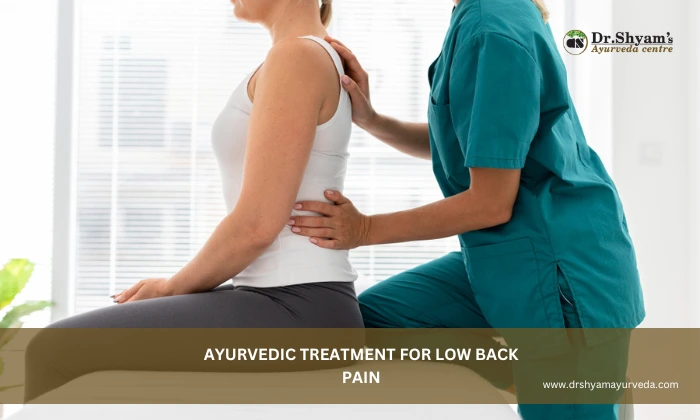
Low back pain is one of the most common causes of disability and missed work worldwide, placing a significant physical, emotional, and economic burden on individuals and families. It affects people of all age groups and is among the most frequent reasons for visiting a healthcare professional. Sedentary lifestyles, long working hours, poor posture, and unhealthy routines have significantly contributed to its rising prevalence.
Low back pain may arise from muscles, nerves, bones, joints, or other spinal structures and can remain localized to the lumbar region or radiate to the lower limbs. At Dr. Shyam’s Ayurveda, we offer natural and holistic treatment approaches that address the root cause, providing safe and lasting relief through time-tested Ayurvedic therapies.
Key Takeaways
- Low back pain is commonly linked to Vata dosha imbalance in Ayurveda and may present as conditions such as Kati Shoola, Kati Graha, or Gridhrasi.
- Ayurvedic treatment focuses on the root cause, aiming to reduce pain, improve mobility, and prevent recurrence rather than only providing only temporary symptomatic relief.
- Panchakarma therapies such as Snehana, Swedana, Mrudu Samshodana, and Basti play an important role in relieving pain and stiffness and strengthening the spine.
- Diet and lifestyle changes including a Vata-pacifying diet, proper posture, and regular stretching or yoga support recovery and long-term spinal health.
- Personalized Ayurvedic care at Dr. Shyam’s Ayurveda combines therapies, medicines, and lifestyle guidance to provide safe, natural, and lasting relief from low back pain.
How Ayurveda Explains Low Back Pain
In Ayurveda, low back pain is mainly linked to an imbalance of Vata dosha, which controls movement. When Vata becomes aggravated due to poor posture, overexertion, stress, or improper diet, it settles in the lower back region (Kati Pradesha) and causes pain, stiffness, and restricted movement. Ayurveda describes low back pain under the following conditions.
Kati Shoola
Kati Shoola means pain in the lower back. In this condition, the pain is mainly limited to the lumbar, sacral, and sacroiliac regions. The primary cause is aggravated Vata dosha.
Symptoms
- Pain localized to the lower back
Kati Graha
Kati Graha refers to pain along with stiffness and restricted movement in the lower back. This occurs when Vata dosha combines with Ama (toxins formed due to impaired digestion) and settles in the lower back joints and muscles.
Symptoms
- Pain localized to low back pain associated with stiffness and restricted movement
Gridhrasi
Gridhrasi is similar to sciatica in modern medicine. It is caused by severely aggravated Vata dosha. The pain originates in the hip or lower back and gradually radiates down the posterior aspect of the thigh, knee, calf, and foot.
Symptoms
- Low back pain radiating to the lower limbs
You may also like: Ayurvedic Knee Treatment
Common Causes of Low Back Pain According to Ayurveda
Uncommon Causes (Direct Causes)
Spine-Related Causes
These directly affect the spine and its structures:
- Infections of the spine
- Spinal tumors
- Intervertebral disc prolapse
- Lumbar spondylosis
- Lumbar canal stenosis
Non-Spine-Related Causes
Pain perceived in the lower back may originate from other organs, such as:
- Disorders of the genitourinary system (kidneys, bladder, uterus)
- Gastrointestinal disorders
- Uterine prolapse and other pelvic conditions
Common Causes (Indirect Causes)
These account for nearly 80% of all low back pain cases. They usually develop due to lifestyle and work-related habits.
- Muscle strain and ligament sprain
- Disc-related disorders
Contributing factors include:
- Poor posture while sitting, standing, or sleeping
- Heavy physical work and prolonged sitting or standing
- Repeated bending, twisting, or lifting heavy objects
- Work stress, depression, and job dissatisfaction
- Sudden or unaccustomed weight lifting
- Improper work habits and lack of ergonomic support
- Smoking and substance abuse
- Osteoporosis (reduced bone density)
- Obesity (BMI >30 kg/m²)
You may also like: Improve gut health naturally
Ayurvedic Treatment for Low Back Pain
Ayurvedic treatment for low back pain aims at balancingvitiated Vata dosha, reducing pain and stiffness, and preventing recurrence. Management follows classical principles such as Vatasaya Upakrama and Vatavyadhi Chikitsa. The main objectives of treatment include:
- Relieving pain and stiffness
- Improving mobility
- Slowing degenerative changes
- Preventing future episodes of low back pain
Panchakarma Therapies for Low Back Pain Relief
Panchakarma treatment for low back pain aims to reduce pain and stiffness while arresting degeneration and recurrence. The therapies include:
Snehana (Oleation Therapy)
Medicated oils are administered internally and externally to lubricate tissues, reduce dryness, and pacify aggravated Vata. External oleation is performed through Abhyanga, Snehadhara (Parisheka), Avagaha, and Kati Basti.
Swedana (Sudation Therapy)
Swedana helps reduce pain and stiffness, improves circulation, and relaxes tight muscles. Commonly used procedures include Nadi Sweda, Patra Pinda Sweda, Parisheka Sweda, Avagaha Sweda, and Upanaha Sweda.
Mrudu Samshodana (Mild Detoxification)
Gentle cleansing therapies help remove Ama and vitiated doshas from the body. Virechana (medicated purgation) plays an important role in chronic low back pain. Commonly used formulations include Eranda Taila, Tilvaka Siddha Ghrita, Satala Siddha Ghrita, and Erandabeeja Payasa.
Basti (Medicated Enema Therapy)
Considered the most effective treatment for Vata disorders, Basti nourishes the spine, strengthens nerves, and provides deep and long-lasting relief.
You may also like: Natural Treatment for Belly Fat
Effective Ayurvedic Medicines for Low Back Pain
Ayurvedic medicines used for low back pain include:
- Rasanadi Churna
- Sahacharadi Kashaya
- Dashamoola Katutrayadi Kashaya
- Rasna-Erandadi Kashaya
- Rasnadi Kashaya
- Maharasnadi Kashaya
- Mashabaladi Kashaya
- Mahayogaraj Guggulu
- Trayodashanga Guggulu
- Lakshadi Guggulu
- Rasnadi Guggulu
- Abhadi Guggulu
- Sahacharadhi Taila
- Mahamasha Taila
- Prasarini Taila
- Bala Taila
- Gandha Taila
- Balalakshadi Taila
- Mahanarayana Taila
- Panchaguna Taila
- Pinda Taila
Disclaimer: Always undergo Ayurvedic treatment under the supervision of a registered Ayurvedic physician.
You may also like: Ayurvedic Treatments For PCOS
Diet and Lifestyle Changes Recommended in Ayurveda
A Vata-pacifying diet helps reduce pain, stiffness, and inflammation while supporting tissue nourishment and recovery.
- Prefer Warm and Nourishing Foods: Warm, freshly cooked, and slightly oily foods are easier to digest and help lubricate joints and muscles.
- Include Healthy Fats and Nutritious Ingredients: Adding ghee, sesame oil, and well-cooked vegetables to meals helps nourish tissues, support joint health, and calm aggravated Vata.
- Use Anti-Inflammatory Spices: Spices such as ginger, turmeric, and cinnamon can be included in daily cooking. These help improve digestion, reduce inflammation, and support pain relief.
- Stay Hydrated with Warm Fluids: Sipping warm water throughout the day helps digestion and prevents the buildup of Ama, which can contribute to stiffness and discomfort.
- Foods to Limit or Avoid: Cold, dry, raw, and highly processed foods may aggravate Vata and slow digestion. It is also advisable to limit excess caffeine and alcohol, as they may worsen dryness and inflammation.
Lifestyle interventions play an important role in the prevention and management of low back pain.
- Avoid smoking
- Squat while lifting objects
- Avoid bending during lifting
- Keep the spine straight and use back support while sitting or driving
- Sleep sideways with knees and hips flexed
- Place pillows under the knees while sleeping on the back
Yoga and Daily Practices for Long-Term Relief
Yoga, core-strengthening, and stability exercises helps strengthen anti gravity muscles, including back, hip and leg muscles. FBeneficial stretches include:
- Quadriceps Stretch
- Hip Flexor Stretch
- Adductor Stretch
- Hamstring Stretch
- Dynamic Hamstring Stretch
- Gluteal Stretch
- Camel-Cat Stretch
Recommended yoga asanas include:
- Pavanmuktasana – Helps stretch lower back and thigh muscles
- Paschimottasana – Stretches the spine and hamstrings
- Makarasana – Strengthens back extensor muscles
- Ardha Katibhujangasana – Strengthens spinal muscles
- Bhujangasana – Strengthens spinal extensor muscles
You may also like: Ayurvedic Treatment for Hair Loss
Conclusion
Low back pain is a common condition that can significantly affect daily activities, mobility, and overall quality of life. Ayurveda approaches this problem by targeting the underlying Vata imbalance, rather than only managing symptoms. Through Panchakarma therapies, herbal medicines, diet, lifestyle modifications, and strengthening practices, Ayurvedic treatment aims to relieve pain, improve flexibility, and prevent recurrence in a natural way.
At Dr. Shyam’s Ayurveda, ayurvedic treatments are personalized based on an individual’s condition, body constitution, and lifestyle, ensuring safe and effective care. With the right guidance and healthy habits, it is possible to regain comfort, improve spinal health, and achieve long-term relief from low back pain naturally.
FAQs
1. Is Ayurvedic treatment effective for chronic low back pain?
Yes. Ayurveda focuses on correcting the underlying Vata imbalance, reducing inflammation, strengthening the muscles and joints, and preventing recurrence. Therapies such as Snehana, Swedana, and Basti, along with herbal medicines, can be beneficial in managing chronic low back pain and improving mobility over time.
2. How long does Ayurvedic treatment take to show results?
The response to treatment varies depending on the severity, duration of pain, and overall health of the individual. Some patients may experience relief in pain and stiffness within a few weeks, while chronic conditions may require a longer course of therapies, medicines, and lifestyle changes for sustained improvement.
3. Are Ayurvedic medicines safe for long-term use?
Ayurvedic medicines are generally considered safe when prescribed and monitored by a qualified Ayurvedic physician. Treatments are personalized, and medicines are selected based on the patient’s condition, ensuring safety and effectiveness.
4. Can Panchakarma cure slip disc–related back pain?
Panchakarma therapies may help reduce pain, inflammation, and nerve compression symptoms associated with slip disc–related back pain and improve function. While the outcome depends on the severity of the condition, Panchakarma can play an important role in conservative management and recovery.
5. Who should avoid Ayurvedic treatment for low back pain?
Certain therapies, especially Panchakarma procedures, may not be suitable for individuals with acute infections, severe weakness, uncontrolled medical conditions, or during pregnancy, unless advised by a physician. A proper consultation is important to determine the most appropriate and safe treatment plan.