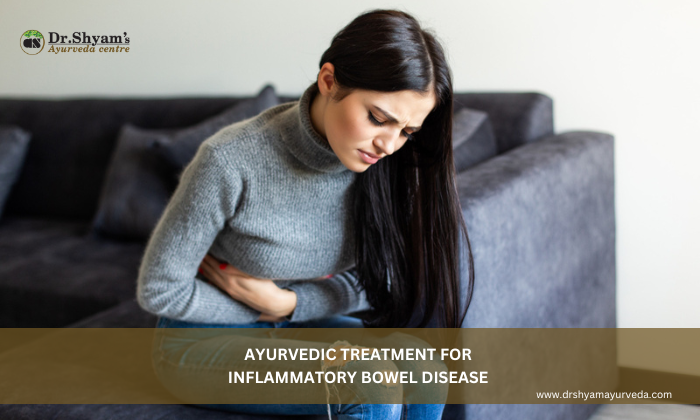
Inflammatory Bowel Disease (IBD) is a chronic digestive condition that causes inflammation of the gastrointestinal (GI) tract, leading to symptoms such as abdominal pain, diarrhea, and fatigue. Beyond physical discomfort, IBD can significantly affect emotional and mental well-being.
Ayurveda offers a holistic, natural approach to managing IBD by addressing its root causes rather than just the symptoms. Through personalized treatments involving herbal formulations, Panchakarma therapies, and dietary guidance, Ayurvedic treatment helps reduce inflammation, restore digestive balance, and promote long-term remission. Discover how Ayurvedic treatment for IBD supports gut healing and enhances overall health naturally.
Understanding Inflammatory Bowel Disease
IBD is a group of chronic conditions that cause swelling and inflammation of the tissues of the digestive tract. The symptoms of IBD may happen suddenly and result in intense diarrhea and stomach cramps. More than a gut issue, IBD can affect emotional, physical, and mental health.
IBD is an autoimmune disease where the immune system cells in the GI tract mistakenly attack healthy tissue, causing inflammation. The exact cause of this is still unknown. The condition is most commonly seen in individuals aged 15 to 30.
Types of IBD
The types of IBD include:
- Crohn’s Disease: Crohn’s disease causes ulcers in the affected region. It affects any part of the GI tract from the mouth to the anus but commonly develops in the small intestine and the upper part of the large intestine.
- Ulcerative Colitis: Ulcerative colitis results in inflammation and sores along the lining of the colon and rectum.
Common Symptoms of IBD
The symptoms of IBD vary depending on the severity of the inflammation. The affected individual can have periods of active illness followed by periods with no symptoms. The common symptoms of IBD include:
- Lower abdominal pain and cramps
- Diarrhea
- Blood in the stool
- Loss of appetite
- Fatigue
- Unintended weight loss
- Urgency to have a bowel movement
- Fecal incontinence
Role of Ayurveda in Treating IBD
In Ayurveda, IBD can be correlated with conditions including Grahani Roga, Pitta Athirsra, and Rakta Athisara. Due to improper lifestyle and incorrect dietary habits, the function of agni (digestive fire) is impaired and ama (toxins) are developed. This causes aggravation of Kapha and Pitta doshas, leading to inflammatory changes in the intestine, leading to ulcers, diarrhea, malabsorption, weakness, and anemia.
Ayurvedic treatment for inflammatory bowel disease aims at balancing the doshas, bringing agni to normalcy, and eliminating the toxins from the body. Through Panchakarma therapies, herbal formulations, and dietary and lifestyle modifications, these personalized treatments help reduce inflammation, improve gut health, and address the root cause of the disease.
Ayurvedic Herbs and Remedies for IBD
The Ayurvedic herbs for ulcerative colitis and crohn’s disease include:
- Kutaja (Holarrhena antidysenterica): Known for its astringent and anti-diarrheal properties, Kutaja helps reduce inflammation, reduce bleeding, and fight infections. It pacifies the aggravated Kapha and Pitta doshas and possesses grahi (absorbent) properties to normalize bowel movements.
- Bilva (Aegle marmelos): Bilva helps soothe ulcers, improves digestion, and protects the intestinal lining.
- Musta (Cyperus rotundus): Musta is beneficial in conditions including diarrhea, bloating, and other abdominal problems due to its grahi (absorbent) and deepana (appetite-stimulating) qualities.
- Triphala: Triphala consists of three fruits, such as Amalaki (Indian gooseberry), Bibhitaki, and Haritaki. Triphala has anti-inflammatory and antioxidant properties that help restore tissue and reduce mucosal inflammation.
The Ayurvedic remedies for IBD include:
- Nyagrodadi kashayam
- Tikthakam kashayam
- Guluchyadi kashayam
- Ashtakshari gulika
- Mustarista
- Chiruvilwadi Kashayam
- Drakshadi Kashayam
- Haridra Khandam
Disclaimer: Always practice Ayurvedic medicines and therapies under the guidance of a registered Ayurvedic practitioner.
Panchakarma Therapies for Gut Health
The Panchakarma treatment in Dubai for IBD include:
- Piccha Basti: A special form of enema that helps heal ulcers, stop bleeding, and reduce inflammation.
- Takra Vasti: A buttermilk enema that helps reduce inflammation and support healthy gut microbiota.
- Virechana (therapeutic purgation): This therapy cleanses excess Pitta from the intestines.
- Nabhi Lepa and Nabhi Vasti: Treatments applied to the navel, which is considered the seat of Pitta. These therapies help control Pitta and reduce inflammation.
- Shirodhara: Shirodhara helps calm the nervous system and reduce stress, which is known to trigger IBD flare-ups.
At Dr. Shyam’s Ayurveda, the holistic treatment for IBD in Dubai is performed under the guidance of an expert Ayurvedic practitioner.
Dietary and Lifestyle Recommendations
In Ayurveda, diet plays a vital role in managing and maintaining remission in IBD. A well-balanced, easily digestible, and nourishing diet helps soothe inflammation, support digestion, and strengthen gut health. The Ayurvedic diet for IBD include:
General Dietary Guidelines
- Drink 8–10 glasses of lukewarm water daily to aid digestion and detoxification.
- Eat smaller, more frequent meals to prevent overburdening the digestive fire (Agni).
- Include a variety of wholesome, freshly prepared foods to maintain nourishment and strength.
- Avoid foods that aggravate Pitta (spicy, fried, sour, and fermented foods) and Vata (dry, rough, and cold foods).
Include in Your Diet
- Soft, easily digestible grains like white rice, oatmeal, barley, and well-cooked refined pasta.
- Lean protein sources such as moong dal, lentil soup, and eggs.
- Healthy fats like ghee, olive oil, and flaxseed oil for their anti-inflammatory and lubricating properties.
- Cooked, skinless vegetables such as carrots, pumpkin, spinach, and bottle gourd (lauki).
- Mild fruits like applesauce, ripe bananas, and stewed apples that are gentle on the gut.
- Warm, nourishing beverages such as herbal teas made with fennel, cumin, or coriander seeds.
- Low-fat dairy or alternatives like lactose-free milk or almond milk if dairy intolerance exists.
- Vitamin- and mineral-rich foods or supplements as advised by your physician to prevent deficiencies.
Avoid in Your Diet
- Trigger foods that cause discomfort or worsen symptoms.
- Raw fruits and vegetables, which can irritate the intestinal lining.
- High-fiber foods like beans, nuts, seeds, and popcorn.
- High-fat, fried, or processed foods, which aggravate Pitta and slow digestion.
- Caffeine, alcohol, and carbonated drinks, as they can inflame and dehydrate the gut.
- Spicy, sour, and fermented foods like pickles, chilies, and vinegar.
- Prunes or strong laxative fruits, which can aggravate diarrhea and irritation.
Ayurvedic Tip
Maintain a food diary to track how your body responds to different foods. This helps in identifying individual triggers while ensuring nutritional balance. Always consult your Ayurvedic practitioner before making major dietary changes to align your diet with your Prakriti and stage of remission.
The lifestyle recommendations for IBD include:
- Exercise: Engage in regular physical activity, as it can help reduce fatigue and the risk of a flare-up.
- Incorporate relaxation techniques such as mindfulness, deep breathing, or meditation to reduce stress.
- Do not smoke. Smoking can worsen IBD symptoms and increase the risk of a relapse.
- Avoid alcohol, as it can worsen symptoms for many people with IBD.
- Maintain a healthy body mass index, as obesity is associated with a higher risk of relapse.
Benefits of Ayurvedic Treatment for IBD
Ayurvedic treatment for IBD offers a holistic approach that goes beyond symptom relief to address the root causes of inflammation and digestive imbalance. The benefits include:
- Balances the vitiated doshas
- Helps reduce intestinal inflammation
- Enhances digestion and metabolism
- Promotes gut healing
- Helps eliminate accumulated toxins and cleanse the digestive tract
- Supports immune balance
- Improves overall quality of life
Choosing an Ayurvedic Clinic in Dubai
Managing IBD requires expert guidance and personalized care. At Dr. Shyam’s Ayurveda Center, we provide authentic Ayurvedic treatment in Dubai that combines traditional wisdom with modern facilities. Our experienced physicians assess your body constitution and digestive balance to create customized therapies using herbs, Panchakarma, and diet plans. Every treatment is professionally supervised to ensure safety, comfort, and long-term results. Experience holistic healing that restores gut health, reduces inflammation, and enhances overall well-being.
Book your consultation today at Dr. Shyam’s Ayurveda and begin your personalized Ayurvedic healing journey.
1. Is Ayurvedic treatment safe for IBD patients?
Yes, Ayurvedic treatment is generally safe for IBD patients when taken under the guidance of a qualified Ayurvedic practitioner. The therapies use natural herbs, dietary regulation, and detoxification methods that are gentle on the gut. At Dr. Shyam’s Ayurveda in Dubai, treatments are customized and closely monitored for safety and effectiveness.
2. How long does it take to see results with Ayurveda ?
The duration of recovery varies depending on the severity of IBD and individual body constitution. Many patients experience relief from symptoms such as diarrhea, pain, and fatigue within a few weeks of consistent treatment. Long-term improvement and remission are achieved through continued therapies, diet, and lifestyle changes.
3. Can Ayurvedic therapy be combined with conventional medicine?
Yes, Ayurvedic therapy can often complement modern medical treatments when managed under professional supervision. It helps reduce inflammation and improve digestion. However, all treatments should be coordinated between your Ayurvedic and allopathic doctors for best results.
4. Are there dietary restrictions during treatment?
Yes, following a Pitta-Vata pacifying diet is essential during treatment. Patients are advised to avoid spicy, fried, fermented, and raw foods while including soft, cooked, and easily digestible meals. Personalized dietary guidance ensures proper nutrition and helps maintain remission.
5. Which Panchakarma therapy is most effective for IBD?
Piccha Basti and Takra Vasti are highly effective Panchakarma therapies for IBD. These medicated enemas help heal ulcers, reduce inflammation, and restore gut health. Virechana therapy may also be recommended to eliminate excess Pitta and detoxify the intestines.