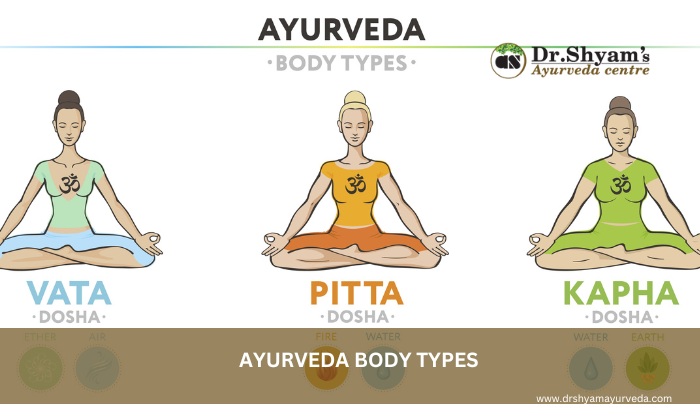
In the world of Ayurveda, health begins with understanding your natural constitution, or Prakriti. This constitution is shaped by three doshas (bodily energies)—Vata, Pitta, and Kapha. These doshas govern not just your physical body but also your behavior, preferences, and emotional tendencies.
Understanding your Ayurvedic body type helps you align with your natural rhythm and make better lifestyle choices. In this blog, we will explore what Vata, Pitta, and Kapha body types mean, how to determine your Ayurveda body type, and how to align your diet and lifestyle for better health and well-being.
Introduction to Ayurveda Body Types
The concept of Prakriti in Ayurveda refers to an individual’s unique constitution, formed at the time of conception. The term is derived from two Sanskrit words: ‘Pra,’ meaning ‘first,’ and ‘Kri,’ meaning ‘creation,’ signifying the ‘first creation’ or the natural state of a person. It is shaped by the condition of the doshas at the time of the union of Shukra (sperm) and Shonita (ovum) in the mother’s womb.
These three doshas are functional manifestations of the Panchamahabhutas, including space (Aakasha), air (Vayu), fire (Teja), water (Jala), and earth (Prithvi), which form the foundational elements of the human body and the universe. Although all three doshas are present in every individual, one or two tend to dominate, resulting in distinct body types:
- Ekadoshaja (Vataja, Pittaja and Kaphaja)
- Dvandvaja (Vatapitta, Vatakapha, and Kaphapitta)
- Samadoshaja (Vata, Pitta, and Kapha in equal proportions)
Prakriti encompasses physical, physiological, psychological, and behavioral characteristics that remain relatively constant throughout life and are independent of social, ethnic, or geographical influences. It is influenced by both genetic and acquired factors. Understanding one’s Ayurvedic body type enables personalized health guidance, helping maintain balance and prevent disease through tailored diet, lifestyle, and treatment approaches.
How to Know Your Body Type (Vata, Pitta, Kapha)
Identifying the Ayurvedic body type is essential for personalized wellness. A dominant Vata dosha individual have dry skin, high energy, talkativeness, and a tendency to forget easily. Pitta types often have a medium build and sharp digestion, and may experience acidity or irritability when hungry or overheated. Those with a Kapha dosha have a well-developed, heavier body structure, may gain weight easily, and are emotionally grounded and nurturing. Recognizing these signs helps in choosing the right diet, exercise, and lifestyle to restore dosha balance and support optimal Ayurvedic health.
Vata Body Type: Characteristics & Diet Guide
In Ayurveda, the vata body type is composed of the elements air and ether. It governs allmovements within the body, including circulation, nerve impulses, respiration, and the mobility of muscles and joints. Vata is primarily located in the colon, bones, skin, ears, and nervous system and plays a crucial role in regulating the functions of Pitta and Kapha.
Vata Body Type Characteristics
1. Physical traits:
- Slender or underdeveloped frame with visible bones and veins
- Roughness in the hair of the head, face and other parts of the body, including nails, teeth, face, hands, and feet
- Cracking of limbs and organs
- Production of cracking sound in joints when they move
- Unstable joints, eyes, head, shoulders, hands and legs
- Cold hands and feet
- Prone to issues like bloating, gas, and constipation due to irregular digestion
These individuals generally have lower endurance, a shorter lifespan, and limited physical strength compared to other dosha types.
2. Mental & emotional traits:
- Highly creative and imaginative with quick comprehension
- Prone to overthinking, anxiety, and restlessness
- Exhibits high enthusiasm but struggles with consistency and memory retention
- Fast learners but equally quick to forget
- Often experience mood swings and fear during periods of stress
3. Vata Body Type Diet Guide
Vata is characterized by qualities such as dryness, coldness, lightness, and mobility. Individuals with a Vata body type benefit most from foods that are warm, oily, and stabilizing.
According to Ayurvedic principles, Vata-dominant individuals should avoid anything that increases dryness in the body and mind. A structured routine with timely meals is especially important for them.
4. Ideal Foods for Vata Dosha:
- Warm, freshly prepared meals with slightly oily textures
- Cooked grains like rice and wheat, which are grounding and easy to digest
- Healthy fats like ghee, sesame oil, and olive oil
- Warm milk, nuts, and nourishing herbal teas (e.g., ginger, cinnamon)
- Sweet, sour, and salty tastes to pacify Vata and support hydration
5. Foods to Avoid for Vata Dosha:
- Avoid cold food and beverages, raw vegetables, and salads
- Avoid caffeinated and carbonated drinks
- Avoid processed and frozen foods
6. Additional Lifestyle Tips for Vata Balance:
- Maintain a regular daily routine
- Ensure adequate rest and avoid overstimulation
- Practice gentle, grounding exercises like yoga or walking
- Use warm oils for self-massage (Abhyanga) to nourish dry skin and calm the nervous system
Pitta Body Type: Characteristics & Diet Guide
In Ayurveda, the Pitta body type is composed of the elements fire and water, representing transformation and metabolism in the body. Pitta dosha controls digestion, absorption, body temperature regulation, hormonal activity, and vision. It is primarily located in the small intestine, stomach, liver, pancreas, blood, and eyes.
Pitta is responsible for breaking down food, converting it into energy, and regulating metabolic and enzymatic functions. Individuals with a Pitta constitution tend to be energetic, focused, and driven, but also prone to overheating and irritability.
Pitta Body Type Characteristics
1. Physical traits:
- Medium build with moderate muscle development
- Warm body temperature, often experiencing intolerance to heat
- Soft, fair, or reddish skin and are prone to freckles, rashes, or acne
- Early signs of aging like premature graying, thinning hair, and baldness
- Presence of body odor and excessive sweating
- Strong digestion and high appetite with frequent thirst
- May have coppery or green eyes, and soft brown body hair
These individuals generally have moderate strength, lifespan, knowledge, and materialistic success.
2. Mental & emotional traits:
- Sharp intellect with strong analytical and decision-making skills
- Ambitious, goal-oriented, and assertive
- Competitive in nature with natural leadership qualities
- Easily irritable, especially under stress or in heated environments
- Prone to anger, impatience, and burnout if out of balance
3. Pitta Body Type Diet Guide
Pitta is defined by qualities such as heat, sharpness, oiliness, and intensity. Therefore, cooling and calming foods benefit individuals with a Pitta constitution by helping to regulate internal heat and temper emotional intensity.
A diet rich in sweet, bitter, and astringent tastes is best suited to balance excess Pitta. Avoiding spicy, salty, and sour foods is essential to prevent aggravation of this dosha.
4. Ideal Foods for Pitta Dosha:
- Cooling and sweet fruits like apples, pears, grapes, melons, cherries, figs, pomegranates, papayas, coconuts, and mango
- Favor cooling vegetables such as broccoli, cucumber, cauliflower, leafy greens, zucchini, celery, pumpkin, sweet potato, spinach, and lettuce
- Grains that are grounding like basmati rice, wheat, oats, barley, quinoa, couscous, and amaranth
- Choose mildly astringent legumes like mung dal, lentils, chickpeas, black-eyed peas, lima beans, tofu, and kidney beans
- Pitta-pacifying dairy includes cow’s milk, ghee, cottage cheese, goat’s milk and cheese, unsalted butter, and plain yogurt
- Mild and aromatic spices such as coriander, fennel, mint, cardamom, cinnamon, saffron, and basil
5. Foods to Avoid for Pitta Dosha:
- Avoid overly sour or bitter-tasting fruit
- Avoid bitter or pungent varieties that can intensify Pitta
- Avoid heating spices like chili, mustard seeds, garlic, cloves, nutmeg, and bay leaf
- Avoid heating oils like almond oil, sesame oil, and corn oil
6. Additional Lifestyle Tips for Pitta Balance:
- Favor cool environments and stay out of direct sun for long periods
- Engage in relaxing activities like meditation, swimming, or moonlit walks
- Practice calming exercises like yin yoga or gentle stretching
- Maintain a regular routine and avoid skipping meals
- Apply cooling oils like coconut oil for self-massage (Abhyanga) to soothe the body and mind
Kapha Body Type: Characteristics & Diet Guide
In Ayurveda, the kapha body type is composed of the elements water and earth. It governs structure, stability, lubrication, and immunity within the body. Kapha is primarily located in the lungs, throat, head, connective tissues, ligaments, fatty tissues, and tendons. It is responsible for growth, physical strength, emotional calmness, and endurance.
Kapha Body Type Characteristics
Individuals with Kapha dosha dominance often exhibit the following physical and mental traits:
1. Physical traits:
- Well-developed, heavy-set, or rounded body frame with good muscle tone
- Broad chest, dense bones, and thick skin
- Oily, soft, and smooth skin texture
- Thick, dark, and often wavy hair
- Slow metabolism and slower digestion
- Natural endurance and physical strength
- Cold, clammy skin and a tendency to gain weight easily
- Prone to excess mucus, water retention, and sluggish bowel movements
These individuals typically have a stable, grounded presence and excellent physical stamina. They are known for longevity, strength, and resilience.
2. Mental & emotional traits:
- Calm, nurturing, compassionate, and emotionally stable
- Strong memory and deep-rooted attachment to people and places
- Peace-loving, forgiving, and slow to anger
- Naturally resistant to change, but reliable and consistent in actions
- May be prone to possessiveness, lethargy, and emotional heaviness when imbalanced
Kapha individuals are dependable, loving, and emotionally intelligent, though they may struggle with inertia or emotional clinginess when out of balance.
3. Kapha Body Type Diet Guide
Kapha is characterized by qualities such as heaviness, coldness, oiliness, and stability. Individuals with a Kapha body type benefit most from foods that are light, warm, dry, and stimulating.
According to Ayurvedic principles, Kapha-dominant individuals should avoid foods that are cold, heavy, oily, or overly sweet. Stimulating tastes like pungent, bitter, and astringent help reduce excess Kapha. Daily routines should focus on activity, variety, and warmth.
4. Ideal Foods for Kapha Dosha:
- Light, dry, and warming foods like barley, millet, rye, and buckwheat
- Spices such as ginger, black pepper, cayenne, cloves, mustard seeds, and turmeric
- Herbal teas like ginger, mint, cinnamon, and tulsi
- Light fruits such as apples, pears, pomegranates, and cranberries
- Low-fat dairy in moderation; warm milk with turmeric or ginger
- Cooked vegetables and brothy soups
- Lighter proteins like white chicken, turkey, eggs, and seafood
- Healthy oils in small amounts: olive oil, almond oil, sunflower oil, and ghee
5. Foods to Avoid for Kapha Dosha:
- Heavy grains like wheat, oats, and rice
- Cold and oily foods such as cheese, fried foods, and ice cream
- Heavy fruits like bananas, avocados, coconut, and dates
- Excessive dairy, especially full-fat milk and yogurt
- Sweeteners (except raw honey); avoid sugar and syrups
- Processed and frozen foods
- Red meats such as pork, beef, and lamb
6. Additional Lifestyle Tips for Kapha Balance:
- Maintain an active daily routine with regular movement or exercise
- Wake up early and avoid daytime naps
- Favor stimulating, variety-filled activities to break monotony
- Dry brushing and warm oil massages with light oils can invigorate the system
- Practice energizing yoga, brisk walking, or vigorous workouts
- Cultivate lightness in thoughts and surroundings to reduce emotional heaviness
Understanding Dual Doshas (Vata-Pitta, Pitta-Kapha, Vata-Kapha)
Individuals with a dual-dosha constitution, known as Dvandvaja Prakriti, exhibit a combination of traits associated with both dominant doshas. The characteristics of these individuals are a combination of the physiological and psychological attributes of the two influencing doshas. Their health, temperament, and tendencies reflect this dynamic interplay, which requires a balanced lifestyle and diet that supports both doshas in harmony.
In contrast, individuals with Sama Prakriti, or balanced tridoshic constitution, display the qualities of all three doshas in a state of equilibrium. Such individuals tend to enjoy optimal physical, mental, and emotional health, demonstrating strength, adaptability, and resilience. Their balanced constitution makes them less susceptible to disease and better able to maintain homeostasis when supported by a wholesome lifestyle.
Understanding your Ayurvedic body type is the foundation for achieving long-term health, balance, and vitality. Whether your constitution is dominated by Vata, Pitta, Kapha, or a combination of doshas, aligning your lifestyle, diet, and daily routine with your natural Prakriti can significantly enhance your physical and emotional well-being.
For personalized guidance and expert care rooted in classical principles, visit Ayurvedic treatment in Dubai at Dr. Shyam’s Ayurveda Centre. Our experienced practitioners specialize in individualized care based on your unique dosha constitution, offering authentic therapies, dietary guidance, and lifestyle recommendations to help you restore balance, enhance vitality, and live in harmony with your natural self.
FAQs
1. What is the purpose of knowing your Ayurvedic body type?
Knowing your Ayurvedic body type helps tailor lifestyle, diet, and treatments to your unique constitution. It promotes holistic balance, prevents disease, and supports overall well-being by addressing individual physical, emotional, and metabolic needs through personalized Ayurvedic interventions.
2. Is Ayurvedic body typing supported by modern science?
While modern science hasn’t fully validated Ayurvedic body typing, emerging research highlights correlations between dosha types and genetic, metabolic, and psychological traits. Studies suggest Ayurveda’s holistic framework may complement a personalized approach by addressing constitution-based differences in health and disease risk.
4. How can I find out my dosha accurately?
Accurate dosha assessment requires evaluation by a qualified Ayurvedic practitioner. They consider physical traits, digestion, emotional patterns, and health history. While online quizzes can provide insights, professional consultation ensures precise identification and effective application of Ayurvedic principles in lifestyle and treatment.
5. Can Ayurvedic body types influence mental health?
Yes, Ayurvedic body types influence mental tendencies and emotional responses. For example, Vata types may experience anxiety, Pitta may show irritability, and Kapha may face lethargy or depression. Understanding one’s dosha can guide mental health support through tailored diets, herbs, and routines.
6. What is the process of digestion in Ayurveda?
In Ayurveda, digestion is governed by Agni (digestive fire), which transforms food into energy. Proper Agni ensures nutrient absorption and toxin elimination. Imbalances in Agni due to doshic disturbances can cause indigestion, ama (toxins), and disease, emphasizing the importance of mindful eating and lifestyle.
7. Which dosha is associated with digestion and metabolism in Ayurveda?
Pitta dosha, particularly the sub-dosha Pachaka Pitta, governs digestion and metabolism in Ayurveda. It regulates enzyme activity, nutrient assimilation, and heat production. Balanced Pitta supports efficient digestion, while imbalance may lead to acidity, inflammation, or metabolic disorders. Managing Pitta is key to digestive health.
Branches
JUMEIRA +97143443354
DHCC +97144431467
Karama +97143426434
Al nadha +97142207003
Rak +971559835111
Ajman +97167441423
Helpline numbers-0561151269,0561144248